
Embark on a transformative journey through South America as a solo female traveler! This comprehensive guide navigates the vibrant landscapes and rich cultures of the continent, equipping you with the knowledge and confidence to explore independently. From ensuring your safety and security to discovering hidden gems and budgeting effectively, we’ll cover everything you need for an unforgettable adventure.
We’ll delve into practical aspects like transportation, accommodation, and essential packing, while also exploring the cultural nuances that enrich the South American experience. Discover the best destinations for solo female travelers, learn how to navigate potential challenges, and find inspiration for creating a personalized itinerary that aligns with your interests and budget.
Safety and Security for Solo Female Travelers in South America
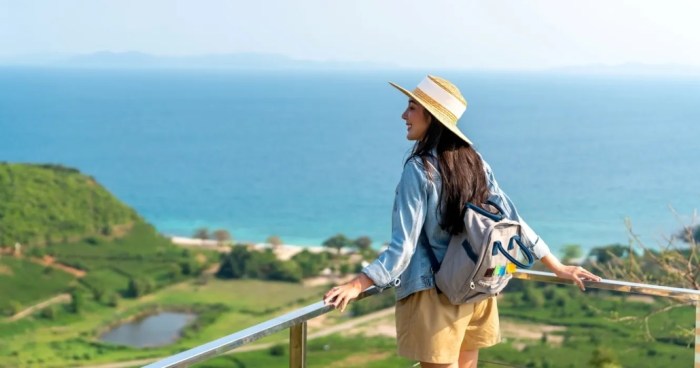
South America offers incredible experiences for solo female travelers, but prioritizing safety is paramount. This section details precautions and resources to ensure a safe and enjoyable journey. Remember that while general guidelines are provided, specific risks vary by location and time of year. Always research your destination thoroughly before you go.
Safety Precautions by Country
Understanding the specific safety concerns for each country is crucial. While South America is diverse, some common themes exist regarding transportation, accommodation, and social interactions. The following provides a brief overview. Always conduct further research specific to your planned itinerary and travel dates.
Colombia: In major cities like Medellín and Bogotá, exercise caution against petty theft, especially in crowded areas. Use reputable transportation services (Uber or official taxis) and be aware of your surroundings, especially at night. In smaller towns, consider the trustworthiness of local transportation options more carefully. Accommodation should be booked in advance and chosen based on reviews highlighting safety and security.
Peru: Peru is generally safe, but altitude sickness can impact judgment and awareness. Stay hydrated and take precautions against altitude sickness. In areas popular with tourists (e.g., Cusco, Machu Picchu), be vigilant against pickpockets and scams. Use reputable tour operators for excursions, especially those involving hiking or trekking. Learn basic Spanish phrases to facilitate communication and potentially avoid misunderstandings.
Argentina: Argentina is relatively safe for solo female travelers, but it’s important to be aware of your surroundings, especially in large cities like Buenos Aires. Be mindful of your belongings and avoid walking alone in poorly lit areas at night. Use reputable transportation options and be cautious of scams targeting tourists. Consider staying in well-reviewed hostels or hotels in central locations.
Comparative Safety Measures in South American Countries
The following table offers a comparison of safety measures across several South American countries. Note that this is a simplified overview, and local conditions can change rapidly.
| Country | Transportation Safety | Accommodation Safety | Personal Safety Tips |
|---|---|---|---|
| Colombia | Use reputable ride-sharing services or official taxis, especially at night. Avoid unmarked vehicles. | Book accommodations in advance through reputable platforms; check reviews for safety and security. | Be aware of your surroundings, avoid displaying expensive jewelry or electronics, and stick to well-lit and populated areas. |
| Peru | Use registered tour operators for excursions, especially in remote areas. Be cautious of informal transportation options. | Choose accommodations in central locations with good reviews and security measures. | Learn basic Spanish phrases, be aware of altitude sickness, and avoid walking alone at night, especially in less populated areas. |
| Argentina | Use official taxis or ride-sharing services; be cautious of informal transportation. | Choose well-reviewed hotels or hostels in central locations. | Be aware of your belongings, avoid displaying wealth, and stick to well-lit and populated areas, especially at night. |
| Brazil | Utilize official transportation services and avoid poorly lit or isolated areas. | Choose reputable accommodations with good security measures and reviews. | Be mindful of your belongings, especially in crowded tourist areas. Avoid walking alone at night. |
Potential Safety Concerns and Mitigation Strategies
Pickpocketing and scams are common concerns throughout South America. To mitigate these risks, keep valuables secure (consider money belts or hidden pockets), be aware of your surroundings, and avoid displaying expensive items. Learn to politely but firmly decline unwanted solicitations. Trust your instincts; if a situation feels unsafe, remove yourself from it.
Emergency Resources for Solo Female Travelers
In case of emergencies, it’s crucial to have a plan in place. Before your trip, share your itinerary with family or friends, and register with your embassy or consulate. Download emergency contact numbers for local police and your country’s embassy. Consider purchasing travel insurance that includes medical evacuation and emergency assistance. Many countries have women’s shelters or support organizations that can provide assistance in case of crisis.
Popular Destinations for Solo Female Travelers in South America
South America offers a diverse range of experiences perfect for the solo female traveler, from bustling cities to tranquil natural landscapes. Choosing the right destination depends on your travel style and interests. This section highlights five popular choices, categorized by region, considering factors like safety, accessibility, and the best time to visit.
Andean Destinations: Salento, Colombia
Salento, nestled in Colombia’s Coffee Region, is an ideal destination for solo female travelers seeking a blend of adventure and cultural immersion. The town itself is charming and safe, with a welcoming atmosphere. Hiking through the surrounding coffee plantations offers stunning views and opportunities to connect with local communities. The vibrant culture, delicious coffee, and relatively easy navigation make it a great choice for first-time solo travelers in South America.
The best time to visit is during the dry season (December to March), though shoulder seasons (April-May and September-November) offer pleasant weather with fewer crowds. Salento caters to a traveler seeking a balance of cultural exploration and moderate physical activity.
Andean Destinations: Cusco, Peru
Cusco, the former capital of the Inca Empire, offers a rich history and breathtaking Andean scenery. While navigating the city’s cobblestone streets can be challenging, the abundance of tour options and well-established tourist infrastructure makes it relatively safe and easy for solo travelers. Exploring Inca ruins like Sacsayhuamán and Ollantaytambo provides incredible cultural immersion, while the city itself is full of vibrant markets and delicious Peruvian cuisine.
The dry season (May to September) is best for trekking and exploring the surrounding area, although it’s also the peak tourist season. Cusco is suitable for the culturally focused traveler who enjoys history and exploring ancient sites.
Amazonian Destinations: Manaus, Brazil
For the adventurous solo female traveler, Manaus, the gateway to the Amazon rainforest, presents a unique opportunity. While independent travel in the Amazon requires careful planning and potentially joining organized tours, Manaus itself is a relatively safe city with good tourist infrastructure. A visit can involve exploring the rainforest through guided boat trips, encountering incredible biodiversity, and learning about the local indigenous cultures.
The best time to visit is during the dry season (July to October), when the weather is more predictable and wildlife is easier to spot. This destination is best suited to adventurous travelers who are comfortable with a higher degree of independence within a structured tour setting.
Patagonian Destinations: El Calafate, Argentina
El Calafate, situated near the iconic Perito Moreno Glacier, offers stunning Patagonian landscapes. The town itself is tourist-friendly, with numerous hostels and hotels catering to solo travelers. Exploring the glacier, taking boat trips on Lago Argentino, and hiking in the surrounding national parks provide breathtaking experiences. The best time to visit is during the summer (October to April), when the weather is milder and the glaciers are at their most spectacular.
This destination is ideal for the nature-loving traveler who enjoys outdoor activities and stunning scenery.
Coastal Destinations: Valparaíso, Chile
Valparaíso, a vibrant port city in Chile, offers a unique blend of colorful architecture, street art, and a bohemian atmosphere. Its hilly terrain and abundance of stairs can present a physical challenge, but the city is relatively safe and easy to navigate with good public transport. Exploring the city’s colorful neighborhoods, riding funiculars, and enjoying the coastal views make it a perfect destination for a relaxed yet culturally engaging solo trip.
The best time to visit is during the summer (November to March), when the weather is warmest and the city is most lively. Valparaíso suits the relaxed traveler who appreciates art, culture, and coastal charm.
Budgeting and Travel Deals for South America
Planning a trip to South America can seem daunting, especially when considering the budget. However, with careful planning and research, you can enjoy an incredible adventure without breaking the bank. This section will provide practical advice and resources to help you manage your finances effectively and discover amazing travel deals. Remember, your budget will largely depend on your travel style and chosen destinations.
Sample Two-Week Budget for South America
This sample budget provides a general framework. Adjust it based on your preferences and chosen destinations. Prices are estimates and can vary significantly.
| Category | Low Budget (USD) | Mid-Range Budget (USD) | High Budget (USD) |
|---|---|---|---|
| Flights (Roundtrip) | 800 | 1200 | 1800 |
| Accommodation (14 nights) | 280 (hostels) | 560 (mid-range hotels/Airbnb) | 1120 (boutique hotels/luxury Airbnb) |
| Food (14 days) | 210 (street food, local markets) | 420 (mix of restaurants and local markets) | 840 (restaurants, nicer cafes) |
| Activities & Entrance Fees | 140 | 280 | 560 |
| Transportation (local & between cities) | 140 | 280 | 560 |
| Miscellaneous (souvenirs, etc.) | 70 | 140 | 280 |
| Total | 1640 | 3160 | 5160 |
Finding Affordable Flights and Accommodation
Several websites and apps offer competitive flight and accommodation prices. For flights, consider using Skyscanner, Google Flights, and Kayak to compare prices from different airlines. Booking flights in advance, during the off-season, or being flexible with your travel dates can significantly reduce costs. For accommodation, Hostelworld and Booking.com are excellent resources for finding hostels and budget-friendly hotels.
Airbnb offers a wider range of options, including private rooms and apartments. Consider looking for deals and discounts offered through these platforms.
Saving Money on Food and Activities
Eating like a local is one of the best ways to save money. Explore local markets and street food stalls for delicious and affordable meals. Cooking your own meals in your accommodation (if facilities are available) can also save a significant amount of money. For activities, consider free walking tours offered in many cities, visit free museums on designated days, and take advantage of discounts or free activities available in your destination.
Look for city passes that may offer cost savings on multiple attractions.
Cost of Living Comparison in South American Cities
The cost of living can vary drastically across South American cities. This table provides a general comparison, but remember that actual costs can fluctuate depending on your spending habits and the time of year.
| City | Accommodation (per night, USD) | Food (per day, USD) | Activities (per day, USD) |
|---|---|---|---|
| Medellín, Colombia | 20-80 | 15-40 | 20-60 |
| Buenos Aires, Argentina | 30-100 | 20-50 | 25-75 |
| Lima, Peru | 25-75 | 15-40 | 15-50 |
| São Paulo, Brazil | 40-120 | 25-60 | 30-80 |
Essential Travel Information and Resources
Planning a solo female trip to South America requires meticulous preparation. This section Artikels essential documents, resources, and safety nets to ensure a smooth and enjoyable journey. Thorough preparation will minimize stress and allow you to fully immerse yourself in the vibrant culture and breathtaking landscapes.
Essential Travel Documents and Items
Having the right documents and items is crucial for a hassle-free trip. Failure to have necessary documentation can lead to significant delays or even prevent you from entering a country. Similarly, packing appropriate items ensures comfort and safety throughout your travels.
- Passport (with at least six months validity remaining beyond your intended stay).
- Visa (if required – see below for details).
- Copies of passport and visa (stored separately from originals).
- Flight/bus tickets (printed and digital copies).
- Accommodation confirmations (printed and digital copies).
- Travel insurance details (printed and digital copies).
- Emergency contact information (family, friends, embassy).
- Credit cards and debit cards (inform your bank of your travel plans).
- Some local currency (US dollars are widely accepted but exchanging some money upon arrival is advisable).
- First-aid kit (including any personal medications).
- Adapters for electronics.
- Phrasebook or translation app (see below).
- Comfortable walking shoes.
- Sunscreen, hat, sunglasses.
- Insect repellent.
Visa Requirements for Various Nationalities
Visa requirements vary significantly depending on your nationality and the length of your stay. It’s essential to check the specific requirements for your citizenship well in advance of your trip. Many countries offer visa-free entry for tourism for a limited period, while others require visas to be obtained beforehand. Some countries might offer visas on arrival, but it’s always best to confirm this information with the relevant embassy or consulate.
- For example, citizens of many European Union countries and the United States can often enter many South American countries visa-free for tourism for a limited period (typically 90 days). However, this can vary depending on the specific country and the purpose of your visit.
- Always consult the official website of the embassy or consulate of the country you plan to visit for the most up-to-date and accurate visa information.
Obtaining Travel Insurance and its Importance
Comprehensive travel insurance is paramount for solo female travelers in South America. It provides financial protection against unexpected events such as medical emergencies, trip cancellations, lost luggage, and even personal liability. The cost of medical care can be extremely high in some areas, and insurance can significantly reduce your financial burden in such situations. Consider insurance that covers emergency medical evacuation, as this can be particularly important in remote areas.
Choosing a policy that covers medical expenses, trip cancellations, and lost luggage is highly recommended.
Useful Travel Apps
Several apps can significantly enhance your travel experience and improve your safety. These tools provide convenient access to information and communication, especially helpful when traveling alone.
- Navigation apps: Google Maps, Maps.me (offline maps).
- Translation apps: Google Translate, iTranslate.
- Communication apps: WhatsApp (for contacting locals and fellow travelers), Skype, Viber.
- Safety apps: Apps that allow you to share your location with trusted contacts in real-time (many such apps exist, research before choosing).
Cultural Considerations and Etiquette
Navigating the diverse cultures of South America as a solo female traveler requires sensitivity and awareness. Understanding local customs and etiquette not only enhances your travel experience but also fosters respectful interactions with the people you encounter. This section highlights key cultural norms to help you navigate social situations with grace and confidence.Understanding the nuances of South American culture can significantly impact your journey.
While generalizations can be misleading, being aware of common cultural practices across the continent will prepare you for a more positive and respectful experience. Remember that regional variations exist, so always be observant and adapt your behavior accordingly.
Greetings and Introductions
South Americans generally value personal connections. A firm handshake is common, especially in business settings. However, in more informal settings, a light cheek kiss (beso) might be exchanged between women. Observe how locals greet each other to gauge the appropriate level of formality. Avoid overly casual greetings in formal situations, and always be polite and respectful.
A simple “Buenos días” (good morning), “Buenas tardes” (good afternoon), or “Buenas noches” (good evening) goes a long way.
Personal Space and Physical Contact
Personal space norms vary across South America. In some countries, closer physical proximity during conversations is considered normal and friendly, while in others, a more significant distance is preferred. Be mindful of your personal space and avoid invading the space of others, particularly when interacting with strangers. Observe the body language of those around you to adjust your own accordingly.
Avoid unnecessary physical contact unless invited.
Dining Etiquette
Dining etiquette varies regionally, but some general guidelines apply. It is polite to wait for everyone to be served before beginning your meal. Using cutlery correctly is important, and avoid making loud noises while eating. In some regions, it is considered polite to leave a small amount of food on your plate to indicate that you are satisfied.
Accepting offers of food or drink is generally a sign of politeness and hospitality. Showing appreciation for the meal and the hospitality is always appreciated.
Clothing and Dress
While clothing styles vary significantly depending on the region and the occasion, it’s always advisable to dress modestly, especially when visiting religious sites or more conservative areas. Revealing clothing might be viewed negatively in certain contexts. Observe the dress of local women to get a sense of appropriate attire. Choosing clothing that is comfortable and appropriate for the climate is also essential for a pleasant trip.
Conversation and Communication
While English is spoken in tourist areas, learning basic Spanish phrases will significantly enhance your interactions with locals. Even simple phrases like “Hola” (hello), “Gracias” (thank you), and “Por favor” (please) will be greatly appreciated. Be patient and understanding if communication is challenging. Avoid interrupting people during conversations and show respect for their opinions, even if you disagree.
Be mindful of sensitive topics such as politics and religion, particularly in casual settings.
Gifts and Hospitality
If invited to a home, bringing a small gift, such as flowers or a local delicacy, is a thoughtful gesture. Accepting hospitality graciously is crucial. Reciprocity is important, so be open to sharing aspects of your own culture if the opportunity arises. Show gratitude for any kindness or hospitality extended to you.
Transportation Options in South America
Navigating South America’s diverse landscapes requires careful consideration of transportation options. The vast distances and varied infrastructure mean that the best choice depends heavily on your budget, time constraints, and desired level of comfort. This section will explore the most common methods, highlighting their respective advantages and disadvantages for solo female travelers.
Buses
Buses are the backbone of South America’s long-distance travel network. They offer a cost-effective way to reach even the most remote destinations, often traversing breathtaking scenery. However, journey times can be lengthy, and comfort levels vary significantly depending on the class of service. Luxury buses offer amenities such as reclining seats, air conditioning, and onboard restrooms, while budget options may be more basic.
Safety Tips for Bus Travel:
- Choose reputable bus companies with good safety records.
- Avoid traveling alone at night if possible.
- Keep your valuables close and secure.
- Be aware of your surroundings, especially at bus stops.
- Inform someone of your travel plans.
Trains
Train travel in South America is less extensive than bus travel, but offers a more comfortable and scenic alternative where available. The most famous routes include the Belgrano Sur line in Argentina and the Hiram Bingham train to Machu Picchu in Peru. These journeys are often more expensive than bus travel but provide a more relaxing and enjoyable experience.
Safety Tips for Train Travel:
- Similar safety precautions as for bus travel apply.
- Be mindful of your belongings in crowded carriages.
- Avoid sleeping in unattended areas.
Flights (Domestic)
Domestic flights are a convenient option for covering long distances quickly, especially between major cities. They can save significant travel time compared to buses or trains, but are generally more expensive. Low-cost airlines operate throughout the continent, offering competitive fares, but it’s crucial to carefully review baggage allowances and additional fees.
Safety Tips for Domestic Flights:
- Book flights with reputable airlines.
- Ensure your travel insurance covers flight cancellations or delays.
- Arrive at the airport with ample time before departure.
Comparing Transportation Options: Major Cities vs. Smaller Towns
For travel between major cities, flights are often the most efficient option, despite the higher cost. Buses are a viable alternative for budget travelers willing to sacrifice time. Trains are a less common option between major cities, unless specific scenic routes are a priority. When traveling to smaller towns, buses usually offer the most extensive network, while domestic flights may be limited or non-existent.
In some cases, a combination of transport methods might be necessary, such as taking a bus to a larger city and then a flight to a smaller town.
Accommodation Choices for Solo Female Travelers
Choosing the right accommodation is crucial for a safe and enjoyable solo female trip to South America. The vast continent offers a diverse range of options, each with its own set of advantages and disadvantages. Careful consideration of your budget, desired level of social interaction, and personal safety preferences will help you select the perfect place to rest your head.
Hostel Accommodation
Hostels are a popular choice for budget-conscious solo travelers, offering a chance to meet other people. Many hostels cater specifically to women, providing single-sex dorm rooms or private rooms within a female-only section. This added layer of security can be reassuring for solo female travelers. However, it’s essential to research hostels thoroughly, reading reviews to assess cleanliness, security measures (like keycard access and 24/7 reception), and the overall atmosphere.
Reputable hostel chains often have higher safety standards. The social aspect of hostels is a significant advantage, allowing for easy connections with fellow travelers, but it might not suit everyone seeking a quieter experience.
Hotel Accommodation
Hotels provide a greater degree of privacy and comfort compared to hostels. A wide range of options exists, from budget-friendly chains to luxurious boutique hotels. The level of security generally tends to be higher in hotels, with features such as keycard access, security cameras, and 24-hour reception. However, hotels can be significantly more expensive than hostels, especially in popular tourist destinations.
Booking a room in advance, especially during peak season, is recommended to secure the best rates and availability.
Guesthouse Accommodation
Guesthouses offer a more intimate and personalized experience than hotels or hostels. They often have a family-run feel and provide a chance to engage with local culture. Guesthouses can vary greatly in terms of amenities and security, so thorough research and reading reviews are vital. Some guesthouses may offer private rooms, while others might only have shared rooms. This option provides a good balance between cost and comfort, offering a more local experience than larger hotels but with less social interaction than hostels.
Airbnb Accommodation
Airbnb offers a wide variety of accommodation options, ranging from private rooms in shared apartments to entire apartments or houses. This can be a great option for solo female travelers seeking more privacy and independence. However, it’s essential to carefully screen hosts and read reviews to ensure safety and security. Look for listings with clear photos, detailed descriptions, and positive reviews from previous guests.
Communicating with the host beforehand to discuss security measures and check-in procedures is also recommended. Airbnb often provides a more home-like environment but lacks the built-in social aspect of hostels.
Choosing Safe and Comfortable Accommodation
When selecting accommodation, prioritize safety and comfort. Look for places with good reviews emphasizing security features, such as keycard access, secure lockers (in hostels), and 24-hour reception. Check the location – avoid isolated areas and opt for places in well-lit, populated areas. Reading reviews on sites like TripAdvisor, Hostelworld, and Booking.com can provide valuable insights into the safety and cleanliness of different establishments.
Reputable Booking Websites and Apps
Several reputable websites and apps can assist in finding accommodation: Booking.com, Hostelworld (for hostels), Airbnb, Expedia, and TripAdvisor are all popular choices. These platforms often offer guest reviews, photos, and detailed descriptions to help you make informed decisions. Comparing prices across different platforms is recommended to secure the best deal.
Travel Blogs, Guides, and Resources
Planning a solo female trip to South America can feel daunting, but the right resources can transform your experience from anxiety-inducing to exhilarating. This section provides a curated selection of reputable blogs and guides offering valuable insights, practical advice, and inspiring stories to help you navigate your adventure. These resources cover various aspects of solo female travel, from safety and budget tips to cultural nuances and practical information.Leveraging these resources allows for a more informed and confident travel experience, helping you to anticipate potential challenges, optimize your budget, and immerse yourself more fully in the vibrant culture of South America.
Careful research is key to a successful and enriching journey.
Safety Resources for Solo Female Travelers in South America
Several online resources focus specifically on safety concerns for solo female travelers in South America. These resources provide practical advice, safety tips, and real-life accounts to help you prepare for potential challenges and stay safe throughout your journey. Understanding local customs and potential risks is crucial for a secure and enjoyable trip.
- The Broke Backpacker: This blog offers comprehensive safety advice for backpacking in South America, including tips on avoiding scams, navigating public transportation safely, and staying aware of your surroundings. Their articles often include personal anecdotes and practical recommendations from experienced solo travelers.
- Adventure in You: This blog features articles and guides focusing on adventure travel, with a significant portion dedicated to safety tips for solo female travelers. They provide in-depth information on various safety concerns, including specific advice for navigating different regions of South America.
Budget Travel and Deals for Solo Female Travelers in South America
Finding budget-friendly options is essential for solo female travelers in South America. These resources offer practical advice on saving money on flights, accommodation, food, and activities, enabling you to extend your trip and experience more. Knowing how to effectively manage your finances is crucial for a stress-free journey.
- Nomad List: While not exclusively for women, Nomad List provides valuable information on the cost of living in various South American cities, helping you budget effectively for your trip. It offers insights into accommodation costs, food prices, and transportation expenses, allowing you to create a realistic budget.
- Travelfish: This website focuses on Southeast Asia but also provides helpful budget travel tips applicable to South America. Their articles offer advice on finding affordable accommodation, eating like a local, and utilizing budget-friendly transportation options.
Cultural Insights and Etiquette for Solo Female Travelers in South America
Understanding the cultural nuances of South America is vital for a respectful and enriching travel experience. These resources provide valuable insights into local customs, traditions, and etiquette, allowing you to navigate social situations with confidence and sensitivity. Respecting local customs fosters positive interactions and enriches your overall experience.
- Lonely Planet: Lonely Planet’s South America guidebooks (available in print and online) offer comprehensive cultural information, including details on local customs, etiquette, and social norms. Their detailed descriptions help travelers understand and respect the local culture.
- Culture Trip: This website offers articles and guides on various aspects of South American culture, providing insights into local traditions, festivals, and social practices. Their articles often feature personal accounts and perspectives from local residents.
South America awaits, brimming with incredible experiences for the solo female traveler. By understanding the practicalities of travel, prioritizing safety, and embracing the cultural richness of the region, you can craft an adventure that is both rewarding and empowering. This guide serves as your compass, empowering you to confidently explore this captivating continent and create memories that will last a lifetime.
Remember to always prioritize your safety and enjoy the journey!
Query Resolution
What are the best apps for solo female travelers in South America?
Popular options include Google Translate, Maps.me (offline maps), WhatsApp (for communication), and a ride-hailing app like Uber or Cabify, depending on availability.
How can I meet other travelers while traveling solo in South America?
Staying in hostels is a great way to meet fellow travelers. Joining walking tours or group activities can also provide opportunities to connect with like-minded individuals.
What should I do if I experience harassment while traveling?
Trust your instincts. Remove yourself from the situation immediately. Report incidents to local authorities or your accommodation if you feel safe doing so. Contact your embassy or consulate if needed.
Is it safe to travel alone as a woman in South America?
Safety depends on the destination and your awareness. By taking appropriate precautions, being aware of your surroundings, and following the safety advice provided in this guide, you can significantly reduce risks and enjoy a safe trip.


