Bali, the “Island of Gods,” beckons digital nomads with its alluring blend of stunning landscapes, vibrant culture, and surprisingly affordable cost of living. This comprehensive guide navigates the practicalities and pleasures of working remotely from this Indonesian paradise, ensuring a seamless transition into a life of both productivity and tropical bliss.
From securing the right visa and finding the perfect workspace, to understanding the local customs and exploring hidden gems, this guide provides the essential information needed to thrive as a digital nomad in Bali. We’ll cover everything from navigating Indonesian immigration to choosing the ideal accommodation, budgeting for your expenses, and ensuring your safety and well-being throughout your stay.
Bali: A Digital Nomad Paradise
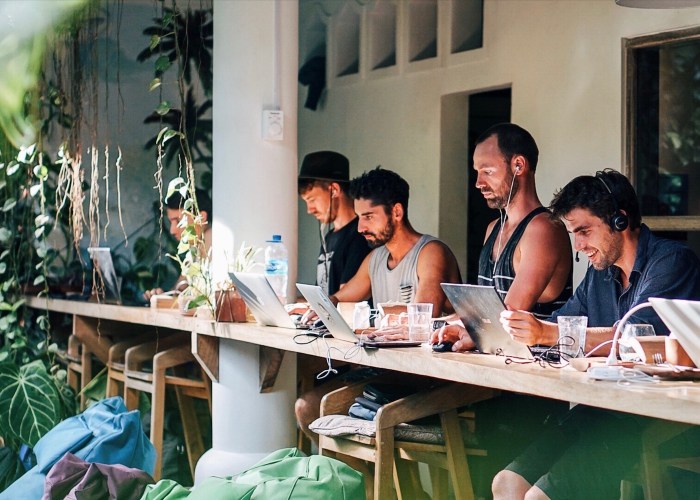
Bali’s allure for digital nomads is undeniable. Beyond the postcard-perfect beaches and lush rice paddies, the island offers a unique blend of affordability, vibrant culture, and a surprisingly robust digital infrastructure, making it an ideal location for remote work. The lifestyle is a compelling mix of productivity and relaxation, allowing for a healthy work-life integration often difficult to achieve elsewhere.
The laid-back atmosphere, coupled with readily available co-working spaces and cafes with reliable internet, fosters a productive yet enjoyable work environment.The typical Bali digital nomad experience involves a balance of focused work sessions interspersed with exploration of the island’s diverse offerings. Days might start with yoga on the beach, followed by a productive morning at a co-working space, an afternoon exploring ancient temples, and evenings spent enjoying delicious Indonesian cuisine and socializing with fellow expats.
This blend of work and leisure is a key factor driving Bali’s popularity amongst remote workers.
Cost of Living and Accommodation in Bali
Bali’s relatively low cost of living is a significant draw for digital nomads. Accommodation options range from budget-friendly guesthouses and homestays to luxurious villas, catering to a wide range of budgets. Food is inexpensive and diverse, with a plethora of local warungs (small restaurants) offering delicious and authentic Indonesian meals at incredibly affordable prices. Transportation costs are also low, with readily available and affordable options such as motorbikes, taxis, and ride-hailing services.
For example, a comfortable apartment in a popular area like Seminyak might cost between $500 and $1500 per month, while a basic meal at a local warung can cost as little as $2-$5.
Visa Requirements and Legal Considerations
Navigating visa requirements is crucial for digital nomads intending to stay in Bali for an extended period. While a visa on arrival allows for a 30-day stay, longer stays require a visa extension, which can be obtained through an immigration office. It is advisable to thoroughly research the current visa regulations and ensure compliance with Indonesian immigration laws.
Failure to do so can result in fines or deportation. Many digital nomads opt to utilize visa services to streamline the extension process. It is essential to maintain a valid visa throughout the duration of their stay. Detailed information on current visa regulations can be found on the official website of the Indonesian Directorate General of Immigration.
Internet Connectivity and Infrastructure
Reliable internet access is paramount for digital nomads, and Bali generally offers good connectivity. Many cafes, co-working spaces, and accommodations provide high-speed Wi-Fi. However, internet speeds and reliability can vary depending on location, so it’s advisable to check internet availability before committing to a specific accommodation or workspace. Mobile data plans are also readily available and affordable, providing a backup option for internet access.
The availability of reliable 4G LTE coverage in most populated areas ensures consistent connectivity for most digital nomad needs.
Visa and Legal Requirements
Planning a long-term stay in Bali as a digital nomad requires careful consideration of Indonesian visa regulations. Understanding the available visa options and the application process is crucial for a smooth and legal stay. Failure to comply with visa requirements can lead to fines or deportation.The Indonesian government offers several visa options suitable for digital nomads, each with its own requirements and duration.
Choosing the right visa depends on the length of your intended stay and your activities in Bali. It’s essential to research thoroughly and apply well in advance of your travel dates.
Visa Options for Long-Term Stays
Several visa types cater to extended stays in Indonesia. The most common options for digital nomads are the Visa on Arrival (VOA), the B211A Social Culture Visa, and the limited stay permit. Each option has specific eligibility criteria and application procedures. It’s important to select the visa that best aligns with your planned activities and length of stay.
Obtaining Necessary Visas and Permits
The application process for Indonesian visas typically involves submitting an application form, passport photos, and supporting documents such as proof of funds and a return ticket. The specific requirements vary depending on the visa type. The application can be submitted either online through the Indonesian embassy or consulate in your home country or upon arrival at the airport (VOA).
Processing times can vary, so applying well in advance is recommended. For the B211A visa, you’ll need to provide additional documentation such as an invitation letter from an Indonesian sponsor.
Navigating Indonesian Immigration Procedures
Navigating Indonesian immigration procedures can be straightforward with proper preparation. Ensure all required documents are complete and accurate. Be prepared to answer questions about your purpose of visit, financial resources, and accommodation arrangements. It is advisable to maintain copies of all your visa documents and keep them readily accessible. Understanding basic Indonesian phrases can also be helpful during interactions with immigration officials.
Should you encounter any difficulties, it is recommended to seek assistance from your embassy or consulate.
Finding Accommodation in Bali
Securing suitable accommodation is a crucial step for any digital nomad settling in Bali. The island offers a diverse range of options, each catering to different budgets and lifestyles. Choosing the right place significantly impacts your productivity, comfort, and overall experience. Consider factors such as proximity to coworking spaces, internet reliability, and the overall atmosphere when making your decision.Finding the perfect accommodation in Bali depends largely on your preferences and budget.
Let’s explore the main options available to digital nomads.
Accommodation Options for Digital Nomads
Bali provides a variety of accommodation options perfectly suited to the digital nomad lifestyle. Each choice presents unique advantages and disadvantages. Consider your budget, desired level of social interaction, and need for amenities when making your selection.Co-living spaces offer a vibrant community environment, often including shared workspaces, social events, and built-in support networks. Apartments provide more privacy and independence, allowing for greater customization.
Villas, on the other hand, offer luxury and space, but often come with a higher price tag and require more self-sufficiency.
Popular Neighborhoods for Digital Nomads
Several areas in Bali have become hubs for digital nomads, each possessing distinct characteristics. Understanding these nuances is vital in finding the best fit for your needs.Seminyak: Known for its upscale vibe, trendy restaurants, and vibrant nightlife. While offering excellent internet connectivity and numerous coworking spaces, it comes with a higher cost of living. The constant activity may not suit everyone seeking a quieter work environment.Canggu: A popular choice among digital nomads, Canggu boasts a laid-back atmosphere, numerous cafes with strong Wi-Fi, and a thriving community of creatives.
It offers a good balance between social activities and quieter areas for focused work. However, it can get crowded, particularly during peak season.Ubud: Famous for its spiritual atmosphere, lush rice paddies, and yoga retreats, Ubud provides a more tranquil setting compared to Seminyak or Canggu. While it has a growing number of coworking spaces and cafes, the internet speed may be less reliable in some areas.
Rental Costs in Various Areas of Bali
The cost of accommodation in Bali varies greatly depending on the location, type of property, and amenities offered. The following table provides a general overview of rental costs in some popular areas. Note that these are average estimates and can fluctuate based on seasonal demand and specific property features.
| Location | Average Monthly Rent (USD) | Amenities | Internet Speed (Mbps) |
|---|---|---|---|
| Seminyak | 800 – 3000+ | Pool, Gym, Air Conditioning | 50-100+ |
| Canggu | 500 – 2000+ | Air Conditioning, Kitchenette | 30-80 |
| Ubud | 400 – 1500+ | Balcony, Garden View | 20-60 |
| Uluwatu | 700 – 2500+ | Ocean View, Private Pool | 40-100 |
Setting Up a Reliable Workspace
Establishing a productive workspace is paramount for successful remote work in Bali. A well-organized and comfortable environment directly impacts your focus, efficiency, and overall well-being, leading to increased productivity and a better work-life balance. The right workspace can transform your daily routine from a struggle to a seamless flow.Your workspace choice significantly affects your daily workflow and overall productivity.
A distracting environment can lead to wasted time and frustration, while a conducive space fosters concentration and creativity. This section will explore various options for setting up a reliable workspace in Bali, considering factors like internet access and cost-effectiveness.
Reliable and Affordable Internet Access in Bali
Securing reliable internet access is crucial for digital nomads in Bali. While readily available in tourist areas, the quality and speed can vary significantly depending on location. Options include utilizing local internet service providers (ISPs), mobile data hotspots, and coworking spaces that offer high-speed internet. It is recommended to research ISPs beforehand, comparing plans and checking customer reviews to ensure a suitable connection speed for your needs.
Consider factors such as data caps and potential outages when selecting a plan. Many cafes and restaurants in popular areas offer Wi-Fi, but relying solely on this is risky due to inconsistent speeds and potential overcrowding. A backup internet solution, like a mobile hotspot, is advisable for uninterrupted workflow.
Coworking Spaces versus Working from Home or Cafes
The choice between a coworking space, working from home, or utilizing cafes depends largely on individual preferences and work styles.Coworking spaces provide a professional environment with reliable high-speed internet, dedicated work desks, and often include amenities such as printing facilities and meeting rooms. The structured environment can enhance productivity and foster a sense of community among fellow digital nomads. However, coworking spaces come with a monthly cost, which needs to be factored into your budget.
Popular coworking spaces often have waiting lists, requiring early booking.Working from home offers greater flexibility and cost savings, allowing for personalized workspace customization. However, maintaining discipline and avoiding distractions can be challenging, and internet reliability depends entirely on your chosen provider. Home-based setups may lack the professional atmosphere and networking opportunities available in coworking spaces. Consider factors such as noise levels and potential power outages when choosing this option.Cafes provide a convenient and social alternative, offering a change of scenery and the chance to network.
However, the internet reliability and quietness can be inconsistent, and extended work sessions may not always be welcomed. Finding a cafe with a comfortable workspace and reliable Wi-Fi might require some exploration and potentially involve frequent changes of location. Noise levels and seating availability also need to be considered.
Cost of Living in Bali
Bali offers a surprisingly affordable cost of living, particularly when compared to many Western countries. This makes it an attractive destination for digital nomads seeking a balance between comfortable living and budget-friendly expenses. However, the actual cost will depend heavily on your lifestyle and spending habits. This section provides a detailed breakdown to help you better estimate your monthly expenses.
Average Monthly Expenses for Digital Nomads in Bali
The cost of living in Bali can vary significantly depending on location and lifestyle. While it’s possible to live very frugally, a comfortable lifestyle for a digital nomad typically falls within a specific range. The following breakdown provides an average based on common spending patterns.
- Accommodation: Rent for a private room in a guesthouse or shared villa can range from $300 to $1000+ per month, depending on location and amenities. Luxury villas, of course, will cost considerably more. A more budget-friendly option is a shared room in a coliving space, potentially reducing costs to $200-$500 per month.
- Food: Eating at local Warungs (small restaurants) is incredibly affordable. You can easily eat three meals a day for as little as $10-$15 per day. Opting for more Westernized restaurants or frequently eating out will increase this cost significantly. Grocery shopping for self-catering can further reduce food expenses.
- Transportation: Transportation costs are relatively low. Gojek and Grab (ride-hailing apps) are widely used and offer affordable fares. Scooter rentals are also popular and can be a cost-effective way to get around, though it’s crucial to factor in fuel and potential maintenance costs. Public transportation is available but may be less convenient depending on your location.
- Entertainment and Activities: Bali offers a wide range of activities, from surfing lessons to exploring ancient temples. The cost of these activities varies greatly. Budgeting $200-$500 per month for entertainment and activities allows for a good balance of exploration and relaxation. This amount can be significantly reduced by choosing free or low-cost activities, such as visiting beaches or hiking.
- Utilities: Utilities, including electricity and internet, are generally inexpensive, typically ranging from $50-$150 per month depending on usage.
- Miscellaneous Expenses: This category includes visa fees (if applicable), health insurance, personal care items, and occasional unexpected expenses. Budgeting an additional $100-$200 per month for miscellaneous expenses is advisable.
Comparison to Other Digital Nomad Destinations
Bali’s cost of living is generally lower than many other popular digital nomad destinations such as Lisbon, Chiang Mai, or Medellin. While specific prices vary depending on the exact location and lifestyle within each city, Bali often offers a better value for money, especially regarding accommodation and food. For example, a comfortable apartment in Lisbon or Medellin could easily cost double or triple the price of a comparable space in Bali.
Detailed Cost Breakdown Example
Let’s consider a hypothetical example of a digital nomad aiming for a comfortable but not extravagant lifestyle in Bali. They might spend approximately:
| Expense Category | Monthly Cost (USD) |
|---|---|
| Accommodation | $500 |
| Food | $450 |
| Transportation | $100 |
| Entertainment | $300 |
| Utilities | $75 |
| Miscellaneous | $150 |
| Total | $1575 |
This example demonstrates that a comfortable lifestyle in Bali can be achieved for around $1500-$2000 per month, significantly less than many other popular digital nomad hubs. Remember, this is just an example, and your actual expenses may vary.
Healthcare and Insurance
Maintaining good health and having access to quality medical care is paramount, especially when living and working abroad as a digital nomad. Bali, while generally safe and offering a relaxed lifestyle, requires careful consideration of healthcare options and the crucial role of comprehensive travel insurance. Understanding the local healthcare system and securing appropriate coverage will provide peace of mind and protect you from unexpected medical expenses.The Balinese healthcare system is a blend of public and private facilities.
Public hospitals and clinics are generally affordable but may lack the advanced technology and specialized care found in private facilities. Private hospitals and clinics, on the other hand, offer a higher standard of care, often with English-speaking staff and more modern equipment, but come with a significantly higher price tag. While many smaller clinics cater to local needs, larger hospitals in cities like Denpasar and Ubud provide a wider range of services, including emergency care.
Travel Insurance for Extended Stays in Bali
Choosing the right travel insurance is crucial for digital nomads planning an extended stay in Bali. Standard travel insurance policies often have limitations on the duration of coverage, typically capping out around a year. For longer stays, it’s essential to explore plans specifically designed for extended travel or expat insurance. These policies usually offer broader coverage, including medical evacuation, repatriation, and longer-term illness protection.
They often also cover pre-existing conditions, a critical factor for those with ongoing health concerns. Consider policies that provide coverage for both medical emergencies and non-emergency medical care, as well as coverage for lost or stolen belongings and potential trip interruptions. When comparing policies, pay close attention to the maximum payout limits, the extent of coverage for specific medical procedures, and any exclusions.
Reading the fine print carefully is essential before committing to a plan. For example, some policies may have a waiting period before pre-existing conditions are covered, or they might have limitations on the number of visits to a medical professional within a specified timeframe.
Accessing Medical Care in Bali
Finding medical care in Bali varies depending on the severity of your needs and your budget. For minor ailments, many local pharmacies (apoteks) can provide basic over-the-counter medications. For more serious conditions, you can choose between public and private healthcare options. Public hospitals are significantly cheaper but might have longer waiting times and less advanced facilities compared to private hospitals.
Private hospitals and clinics typically offer quicker access to specialized care, English-speaking doctors, and more advanced medical technology, but the cost is considerably higher. Many private clinics and hospitals will accept international credit cards, but it’s always wise to inquire about payment options beforehand. If you have a serious medical emergency, it’s advisable to seek immediate care at a reputable private hospital to ensure the best possible outcome.
Remember to always keep your travel insurance information readily available in case of a medical emergency. Knowing the location of the nearest hospital or clinic and having the contact information of your insurance provider readily available can be invaluable in such situations.
Transportation in Bali
Getting around Bali, the “Island of Gods,” offers a vibrant tapestry of transportation options, each with its own charm and challenges. From the exhilarating freedom of a motorbike to the comfort of a private car, navigating this Indonesian paradise requires understanding the nuances of each mode of transport and the island’s unique road conditions. This section will guide you through the various choices available, offering advice to ensure a smooth and safe travel experience.
Bali’s transportation system is diverse, catering to a wide range of budgets and preferences. Motorbikes are the most popular choice for digital nomads due to their affordability and maneuverability, allowing for easy exploration of even the most remote areas. Cars offer more comfort and space, particularly beneficial for those traveling with luggage or in groups. Taxis and ride-hailing apps provide convenient door-to-door service, while public transportation, though less developed than in other parts of the world, offers a budget-friendly alternative for shorter distances.
Navigating Bali’s Roads and Traffic
Bali’s roads, especially in more populated areas, can be challenging for newcomers. Traffic can be heavy, particularly during peak hours and in tourist hotspots. Many roads are narrow and winding, and drivers often navigate with a less structured approach compared to Western countries. It’s crucial to be aware of these conditions and drive defensively. Learning a few basic Indonesian phrases can also be helpful in navigating situations that might arise.
Patience is key, and allowing extra travel time is advisable, especially during rush hour. Motorcyclists should be particularly aware of potholes and uneven road surfaces.
Renting a Motorbike in Bali
Renting a motorbike is a common and popular way for digital nomads to explore Bali’s diverse landscapes. However, it’s essential to understand the process and safety considerations involved.
Before renting, ensure you have a valid international driving permit (IDP). Most rental shops require this, along with a passport and a copy of your visa. Carefully inspect the motorbike before you ride, noting any existing damage and taking photos as evidence. Negotiate the rental price upfront and clarify the terms, including insurance coverage and the consequences of damage or accidents.
Many rental shops offer basic insurance, but it’s advisable to inquire about comprehensive coverage. Always wear a helmet, and consider purchasing additional safety gear such as gloves and sturdy footwear. Familiarize yourself with local traffic laws and driving customs before setting off.
Remember that driving in Bali can be different from what you are used to. Be prepared for unpredictable traffic conditions, and prioritize safety at all times.
Culture and Community
Bali’s rich cultural heritage significantly impacts the daily lives of its inhabitants and offers digital nomads a unique opportunity to immerse themselves in a vibrant and spiritual environment. Understanding Balinese culture and etiquette is not just polite; it’s crucial for fostering positive interactions and ensuring a respectful and enriching experience. This section will explore key aspects of Balinese culture and provide practical tips for navigating social situations.Balinese culture is deeply rooted in Hinduism, influencing many aspects of daily life, from ceremonies and rituals to social interactions and artistic expressions.
The concept ofTri Hita Karana* – the three causes of well-being – harmony between humans, humans and God, and humans and nature – is central to Balinese philosophy and is reflected in their communal spirit and respect for the environment. This emphasis on harmony creates a welcoming atmosphere, but also requires sensitivity and awareness from visitors.
Understanding Balinese Etiquette
Respect for elders is paramount in Balinese society. Addressing older individuals with appropriate titles and showing deference through gestures like a slight bow is customary. The use of the head is considered sacred, so avoid touching someone’s head. Similarly, pointing your feet at someone or religious objects is seen as disrespectful. When entering a temple or someone’s home, it is customary to remove your shoes.
During ceremonies and religious events, modest clothing is essential. It is advisable to observe and follow the lead of locals, demonstrating your respect for their customs.
Opportunities for Community Interaction
Engaging with the local community can greatly enhance your experience in Bali. Many opportunities exist for meaningful interaction, from participating in local ceremonies (with appropriate guidance and respect) to taking traditional Balinese cooking classes. Volunteering with local organizations focused on environmental protection or community development is another avenue for positive engagement. Learning basic Indonesian phrases demonstrates respect and facilitates communication, opening doors to deeper connections.
Simple acts of kindness, such as supporting local businesses and engaging respectfully with Balinese individuals, contribute to a positive cross-cultural exchange.
Respecting Local Customs and Traditions
Respecting local customs is vital for a harmonious coexistence. Attending religious ceremonies should be done with utmost respect, observing the rituals quietly and avoiding disruptive behavior. Photography should be approached thoughtfully, always seeking permission before taking pictures of individuals or sacred sites. Being mindful of noise levels, particularly in residential areas, is essential. Refrain from public displays of affection that might be considered inappropriate in the local context.
By demonstrating respect and understanding, digital nomads can contribute positively to the local community and enrich their own experience.
Activities and Things to Do
Balancing work and leisure is crucial for a successful digital nomad experience. Bali offers a diverse range of activities catering to various interests and energy levels, ensuring you can enjoy your time off without sacrificing productivity. This section Artikels options for adventure, cultural immersion, and relaxation, helping you plan your Balinese escapades.
Adventure Activities
Bali’s stunning natural landscape provides ample opportunities for adventure. From challenging treks through lush rainforests to exhilarating water sports, there’s something for every thrill-seeker.
- Mount Batur Sunrise Trek: Begin your day with a challenging yet rewarding hike to the summit of Mount Batur, witnessing a breathtaking sunrise over the volcanic landscape. This trek typically starts before dawn and requires a moderate level of fitness.
- White Water Rafting on the Ayung River: Navigate the rapids of the Ayung River on a guided white water rafting adventure. This is a great option for those seeking an adrenaline rush in a beautiful natural setting. Several companies offer varying levels of difficulty.
- Surfing Lessons in Kuta or Canggu: Bali is renowned for its world-class surf breaks. Whether you’re a beginner or an experienced surfer, you can find the perfect wave. Kuta offers gentler waves suitable for beginners, while Canggu provides a more challenging experience.
Cultural Experiences
Beyond the beaches, Bali boasts a rich cultural heritage waiting to be explored. Immersing yourself in Balinese traditions will provide a deeper understanding and appreciation of the island.
- Visit Uluwatu Temple: Witness a traditional Kecak dance performance at sunset against the backdrop of the dramatic Uluwatu Temple cliffs. This captivating spectacle combines dance, music, and storytelling.
- Explore Ubud’s Art Market and Rice Terraces: Ubud is the cultural heart of Bali, known for its vibrant art scene and stunning rice paddies. Wander through the bustling art market, finding unique souvenirs, and explore the serene Tegalalang Rice Terraces.
- Attend a Traditional Balinese Ceremony: If your stay coincides with a local ceremony, consider attending. These events offer a fascinating glimpse into Balinese religious and social life. Be respectful of local customs and traditions.
Relaxation Options
After a productive workday, unwinding is essential. Bali offers numerous opportunities for relaxation and rejuvenation, allowing you to recharge and maintain a healthy work-life balance.
- Yoga and Meditation Retreats: Bali is a global hub for yoga and meditation, with numerous studios and retreats offering various classes and programs. Find a retreat that suits your needs and experience the calming benefits of these practices.
- Spa Treatments: Indulge in traditional Balinese massages and spa treatments. Many resorts and spas offer a wide range of services, using natural ingredients and techniques.
- Beach Relaxation: Simply unwind on one of Bali’s many beautiful beaches. Enjoy the sun, sand, and sea, and let the stress melt away.
Hidden Gems
Beyond the popular tourist spots, Bali holds many hidden gems waiting to be discovered. These less-visited locations offer a more tranquil and authentic Balinese experience.
Nusa Penida, a small island just off the coast of Bali, is home to stunning natural beauty, including Kelingking Beach (known for its T-Rex-shaped cliff) and Broken Beach. This island offers a more secluded and peaceful escape from the bustling tourist areas.
The Jatiluwih Rice Terraces, a UNESCO World Heritage Site, offer a more serene and less crowded alternative to the Tegalalang Rice Terraces. The expansive rice paddies provide breathtaking views and a tranquil atmosphere.
Travel Deals, Destinations, Guides, and Essentials
Planning your digital nomad adventure in Bali requires careful consideration of travel logistics, from securing the best deals to ensuring you have the right resources and equipment. This section will equip you with the necessary information to navigate these aspects efficiently and enjoyably.
Websites and Apps Offering Travel Deals and Discounts
Several online platforms specialize in providing discounted travel options. Utilizing these resources can significantly reduce your overall travel expenses. These platforms often aggregate deals from various airlines, hotels, and activity providers.
- Skyscanner: A metasearch engine comparing flight prices across multiple airlines.
- Google Flights: Similar to Skyscanner, offering price tracking and flexible date options.
- Booking.com: A comprehensive platform for booking hotels, guesthouses, and other accommodations.
- Agoda: Another popular accommodation booking site, particularly strong in Asia.
- Hostelworld: Ideal for budget-conscious travelers seeking hostel accommodations.
Must-Visit Travel Destinations in Bali
Bali offers a diverse range of attractions catering to various interests. This curated list highlights some of the island’s most captivating locations.
- Beaches: Seminyak (renowned for its upscale vibe and beach clubs), Canggu (popular with surfers and digital nomads), Nusa Dua (known for its calm waters and luxury resorts), Uluwatu (famous for its dramatic cliffs and surf breaks).
- Rice Paddies: Tegalalang Rice Terraces (iconic terraced rice fields, perfect for photography), Jatiluwih Rice Terraces (a UNESCO World Heritage site, showcasing traditional Balinese rice farming).
- Mountains: Mount Batur (an active volcano offering stunning sunrise views), Mount Agung (Bali’s highest peak, requiring more challenging hikes).
Essential Packing List for Digital Nomads in Bali
Packing efficiently is crucial for digital nomads. This list focuses on items vital for both work and leisure.
- Lightweight Laptop Backpack: A comfortable backpack designed to carry a laptop and other essentials.
- Laptop and Charger: Essential for remote work, choose a lightweight and reliable device.
- Portable Power Bank: Provides backup power for your devices, especially useful when exploring areas with limited access to electricity.
- Universal Travel Adapter: Ensures your devices can be charged in Bali’s outlets.
- Comfortable Walking Shoes: Essential for exploring Bali’s diverse landscapes.
- Lightweight and Breathable Clothing: Bali’s tropical climate necessitates clothing that is comfortable and suitable for warm weather.
- Swimsuit: Bali’s beaches are a major draw; pack a swimsuit for relaxation and water activities.
- Sunscreen and Insect Repellent: Protect your skin from the strong tropical sun and mosquitos.
- First-Aid Kit: Include essential medications, bandages, and antiseptic wipes.
- Reusable Water Bottle: Stay hydrated by carrying a reusable water bottle to refill throughout the day.
Useful Travel Apps for Digital Nomads
Several apps streamline various aspects of travel, enhancing the digital nomad experience.
- Google Maps: Essential for navigation, finding locations, and exploring the island.
- Grab/Gojek: Ride-hailing apps widely used in Southeast Asia for convenient and affordable transportation.
- WhatsApp: A popular messaging app for communication, both locally and internationally.
- XE Currency Converter: Helps track exchange rates and manage your finances effectively.
Benefits of Reading Travel Blogs and Using Travel Guides
Travel blogs and guides offer valuable insights into local experiences, hidden gems, and practical advice.
Travel blogs provide firsthand accounts from fellow travelers, offering authentic perspectives on destinations, accommodations, and activities. Travel guides offer comprehensive information on a destination, including maps, itineraries, and practical tips, assisting with planning and navigating unfamiliar areas. Combining both resources creates a well-rounded travel experience.
Finding Affordable Travel Insurance Options
Travel insurance is crucial for mitigating unexpected events. Several online comparison websites offer competitive options.
Websites like World Nomads, SafetyWing, and Allianz Travel allow you to compare different plans and choose one that suits your needs and budget. Consider factors such as coverage for medical emergencies, lost luggage, and trip cancellations when selecting a plan.
Essential Travel Gadgets for Digital Nomads
Certain gadgets enhance productivity and connectivity while traveling.
- Noise-canceling Headphones: Essential for focusing on work in busy environments.
- Portable Bluetooth Speaker: Enhances the enjoyment of music and podcasts during downtime.
- External Hard Drive: Provides backup storage for important files and data.
Embarking on a digital nomad journey in Bali promises an enriching experience, balancing professional pursuits with the unparalleled beauty and cultural richness of the island. This guide serves as your trusted companion, empowering you to navigate the practicalities and embrace the adventure, ultimately transforming your work-life balance into a harmonious blend of productivity and paradise.
Detailed FAQs
What’s the best time of year to visit Bali as a digital nomad?
The dry season (April-October) generally offers the best weather for working outdoors and exploring the island. However, this is also peak tourist season, so expect higher prices.
How safe is Bali for digital nomads?
Bali is generally considered safe, but like any destination, it’s wise to exercise standard precautions against petty theft and scams. Be aware of your surroundings and take necessary safety measures.
What are the local SIM card options for reliable internet access?
Telkomsel and Indosat Ooredoo are the two major providers offering various data packages suitable for digital nomads. Prepaid SIM cards are readily available at airports and convenience stores.
Are there any specific cultural norms I should be aware of when working remotely in Bali?
Respectful attire is appreciated when visiting temples and other religious sites. It’s also polite to greet people with a “Selamat pagi” (good morning), “Selamat siang” (good afternoon), or “Selamat malam” (good evening).