Dreaming of exploring Iceland’s breathtaking landscapes but feeling overwhelmed by the planning process? This beginner’s guide simplifies your Icelandic adventure, offering a step-by-step approach to crafting an unforgettable trip. From budget-friendly accommodation options to navigating Iceland’s unique weather patterns, we’ll equip you with the essential knowledge and practical tips to confidently plan your journey, ensuring a smooth and enjoyable experience.
We’ll cover everything from creating a detailed itinerary and managing your budget to packing for Iceland’s unpredictable weather and discovering hidden gems off the beaten path. Whether you’re a seasoned traveler or a first-timer, this comprehensive guide will provide the tools and resources you need to create a personalized Icelandic escape tailored to your preferences and budget.
Planning Your Icelandic Adventure
Iceland offers a unique blend of dramatic landscapes and accessible adventure, making it an ideal destination for first-time international travelers. This guide provides a structured approach to planning your trip, ensuring a smooth and memorable experience. We’ll cover itinerary suggestions, budget considerations, packing essentials, and accommodation choices to help you tailor your Icelandic adventure to your preferences and budget.
Seven-Day Iceland Itinerary for Beginners
This itinerary focuses on the easily accessible South Coast, offering a taste of Iceland’s diverse landscapes without requiring extensive driving or challenging hikes. It prioritizes popular sites and allows for flexibility based on weather conditions and personal preferences.
- Day 1: Arrival in Reykjavik & Golden Circle: Arrive at Keflavík International Airport (KEF), pick up your rental car, and drive to Reykjavik. Explore the city briefly before embarking on the Golden Circle route, visiting Þingvellir National Park, Geysir Geothermal Area, and Gullfoss waterfall.
- Day 2: South Coast Waterfalls & Black Sand Beach: Drive along the South Coast, stopping at Seljalandsfoss and Skógafoss waterfalls (you can walk behind Seljalandsfoss!). Continue to Reynisfjara black sand beach with its basalt columns and dramatic sea stacks.
- Day 3: Jökulsárlón Glacier Lagoon & Diamond Beach: Journey to Jökulsárlón glacier lagoon, where icebergs float towards the sea. Walk along Diamond Beach, where icebergs wash ashore. Consider a boat tour on the lagoon for a closer look at the icebergs.
- Day 4: Skaftafell Nature Reserve & Hiking: Explore Skaftafell Nature Reserve, offering various hiking trails suitable for different fitness levels. Choose a trail based on your preference and available time. Enjoy the stunning views of glaciers and mountains.
- Day 5: Return to South Coast & Lava Centre: Drive back along the South Coast, visiting any sites you missed or revisiting favorites. Stop at the Lava Centre, an interactive museum showcasing Iceland’s volcanic activity.
- Day 6: Reykjavik Exploration & Blue Lagoon: Return to Reykjavik. Spend the day exploring the city’s museums, art galleries, and charming streets. In the evening, relax at the Blue Lagoon geothermal spa (pre-booking is essential).
- Day 7: Departure: Enjoy a final Icelandic breakfast before heading to Keflavík International Airport for your departure.
Budget Breakdown for an Icelandic Trip
Budgeting for an Iceland trip depends heavily on your travel style and preferences. This breakdown offers examples for different budget levels, excluding flights.
| Budget Level | Accommodation (7 nights) | Activities (approx.) | Food (approx.) | Total (approx.) |
|---|---|---|---|---|
| Budget (Hostel/Guesthouse) | $350 – $500 | $300 – $500 | $350 – $500 | $1000 – $1500 |
| Mid-Range (Guesthouses/Hotels) | $700 – $1400 | $500 – $800 | $500 – $700 | $1700 – $2900 |
| Luxury (Hotels/Boutique Stays) | $1400+ | $800+ | $700+ | $2900+ |
Note: Flights can range from $500 to $1500+ depending on your origin and booking time. These are estimates, and actual costs may vary. Consider renting a car (approx. $500-$700 for a week) for optimal exploration of the country.
Packing List for Iceland
Iceland’s weather is unpredictable, so packing versatile layers is crucial. This list emphasizes essentials for beginners.
- Waterproof and windproof outer shell jacket
- Fleece or warm mid-layer
- Warm base layers (merino wool is ideal)
- Waterproof hiking pants or trousers
- Comfortable hiking boots with good ankle support
- Warm socks (wool or synthetic)
- Hat, gloves, and scarf
- Sunscreen (even on cloudy days)
- Sunglasses
- Reusable water bottle
Iceland Accommodation Options
Choosing the right accommodation is essential for a comfortable and budget-friendly trip. This table compares different options:
| Accommodation Type | Price Range (per night) | Pros | Cons |
|---|---|---|---|
| Hostels | $30 – $60 | Budget-friendly, social atmosphere | Shared facilities, less privacy |
| Guesthouses | $70 – $150 | More privacy than hostels, often include breakfast | May lack some amenities of hotels |
| Hotels | $100+ | More amenities, comfortable rooms | More expensive |
| Farm Stays | $80 – $180 | Unique experience, often include breakfast, close to nature | More remote locations |
Exploring Iceland’s Wonders
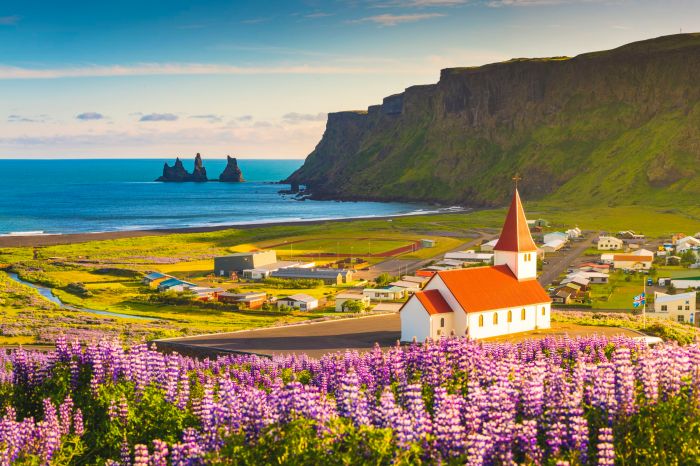
Iceland offers a diverse range of breathtaking landscapes and unique experiences, making it a captivating destination for first-time visitors. This section highlights some must-see locations and provides practical information to help you plan your Icelandic adventure. Remember to always prioritize safety and respect the environment during your travels.
Iconic Icelandic Landmarks
Iceland boasts numerous iconic landmarks, each offering a unique glimpse into the island’s geological and natural beauty. Three particularly noteworthy locations for first-time visitors are the Blue Lagoon, the Golden Circle, and the Northern Lights viewing areas.The Blue Lagoon, a geothermal spa, is renowned for its milky-blue waters rich in silica and minerals. Visitors can relax in the warm water, indulge in spa treatments, and enjoy the surreal surroundings.
Accessibility is generally good, with paved walkways and assistance available for those with mobility challenges. However, it’s a popular destination, so booking tickets in advance is crucial, especially during peak season. The potential challenge is the cost; it’s a relatively expensive activity.The Golden Circle encompasses three major sites: Þingvellir National Park, Geysir Geothermal Area, and Gullfoss waterfall.
Þingvellir, a UNESCO World Heritage site, is a geological wonder showcasing the rift valley between the North American and Eurasian tectonic plates. Geysir features the Strokkur geyser, erupting hot water every few minutes. Gullfoss is a powerful two-tiered waterfall. Accessibility varies across the sites; most areas are easily accessible, but some trails may be challenging for those with mobility issues.
Parking can be limited, especially during peak season.Viewing the Northern Lights (Aurora Borealis) is a truly magical experience. The best viewing spots are away from city lights, in areas with clear skies. Locations like the Snaefellsnes Peninsula or the South Coast offer excellent opportunities. Accessibility depends on the specific location and weather conditions; some areas may require driving on F-roads (mountain roads) which are only suitable for 4×4 vehicles.
The major challenge is the unpredictable nature of the Northern Lights; sightings are dependent on solar activity and clear skies. Patience is key!
South Coast Self-Drive Tour Route
A self-drive tour of Iceland’s south coast offers an incredible opportunity to explore waterfalls, glaciers, black sand beaches, and more. This suggested route emphasizes safety for beginners.Begin in Reykjavik and drive east along Route
1. Key stops include
Seljalandsfoss and Skógafoss waterfalls (easily accessible viewing platforms); Sólheimajökull glacier (guided glacier walks are available for varying skill levels); Reynisfjara black sand beach (caution is advised due to powerful waves); Dyrhólaey arch and cliffs (stunning views, but be mindful of the cliffs’ edges).Safety Considerations: Always check road conditions before setting out. Be prepared for changing weather conditions; pack layers of warm clothing and waterproof gear.
Drive slowly and cautiously, especially on gravel roads. Never approach the ocean too closely, especially at Reynisfjara. Be aware of the potential for sudden strong winds and icy patches, even during summer. Consider purchasing a gravel protection plan for your rental car.
Best Time to Visit Iceland for Beginners
The best time to visit Iceland for beginners depends on your priorities. Summer (June-August) offers long daylight hours and generally pleasant weather, while winter (December-February) provides opportunities to see the Northern Lights but comes with shorter days and potentially challenging weather conditions. Spring (March-May) and Autumn (September-November) offer a balance but can be unpredictable.
| Season | Weather | Daylight Hours | Advantages | Disadvantages |
|---|---|---|---|---|
| Summer (June-August) | Mild, generally dry | Long (18-20 hours) | Pleasant weather, accessible hiking, long daylight for sightseeing | Many tourists, higher prices |
| Winter (December-February) | Cold, snowy, icy | Short (4-6 hours) | Northern Lights viewing, winter activities (snowmobiling, ice caves) | Limited daylight, challenging road conditions, potential for severe weather |
| Spring (March-May) | Variable, melting snow | Increasing | Fewer tourists, lower prices, wildlife sightings | Unpredictable weather |
| Autumn (September-November) | Variable, early snow | Decreasing | Fewer tourists, lower prices, potential Northern Lights sightings | Unpredictable weather, some attractions may close |
Day Trips from Reykjavik
Reykjavik serves as an excellent base for exploring Iceland. Three diverse day trips cater to various interests.A trip to the Golden Circle (as described above) caters to those interested in geology and natural wonders. A visit to the Reykjanes Peninsula offers a glimpse into geothermal areas, volcanic landscapes, and the dramatic coastline. For history and culture enthusiasts, a trip to the Saga Museum in Reykjavik provides an engaging exploration of Iceland’s rich history and mythology.
Iceland on a Budget
Planning a trip to Iceland doesn’t have to break the bank. With a little planning and savvy budgeting, you can experience the Land of Fire and Ice without emptying your wallet. This section details strategies for minimizing expenses on flights, accommodation, transportation, activities, and food, ensuring your Icelandic adventure remains both memorable and affordable.
Affordable Flights and Accommodation
Finding affordable flights and accommodation is crucial for budget travel in Iceland. Websites like Google Flights and Skyscanner allow you to compare prices from various airlines and identify potential deals. Consider traveling during the shoulder seasons (spring and autumn) for lower prices on flights and accommodation. Booking flights and accommodation well in advance can also secure better rates.
For accommodation, explore options beyond hotels, such as guesthouses, hostels, and Airbnb. Look for deals and discounts offered through these platforms, and consider sharing accommodation with travel companions to reduce costs. Remember to factor in baggage fees, which can significantly add to the overall cost of your trip.
Transportation Options in Iceland
Choosing the right transportation method significantly impacts your budget. Three main options exist: rental cars, public transport, and guided tours.
- Rental Car:
- Pros: Flexibility to explore at your own pace, access to remote areas.
- Cons: High rental costs, especially during peak season; potential for additional fees (insurance, gravel protection). Requires a valid driver’s license and familiarity with driving conditions (often challenging).
- Public Transport:
- Pros: Relatively affordable, particularly for travel within Reykjavik and between major towns.
- Cons: Limited routes and frequency, especially outside urban areas; can be time-consuming.
- Guided Tours:
- Pros: Convenient, knowledgeable guides provide insights into Iceland’s history and culture; often include transportation.
- Cons: Can be expensive, less flexibility in terms of itinerary and schedule.
The best option depends on your travel style and budget. For independent exploration, a rental car offers flexibility, but it comes at a higher cost. Public transport is a budget-friendly option for exploring populated areas, while guided tours offer convenience but can be expensive.
Free and Low-Cost Activities
Iceland offers many free or low-cost activities. Reykjavik’s city center is walkable, allowing you to explore its vibrant streets, colorful buildings, and unique shops without spending a dime. Numerous hiking trails are accessible throughout the country, catering to various skill levels. Remember to check weather conditions and trail difficulty before embarking on a hike. Exploring waterfalls, hot springs (excluding Blue Lagoon), and beaches are also free and provide stunning natural beauty.
Many museums offer free admission on specific days or evenings; check their websites for details.
Budget-Friendly Food Options
Grocery shopping is significantly cheaper than eating out. Larger supermarkets like Bonus and Kronan offer competitive prices on groceries. Planning meals and snacks in advance can drastically reduce food expenses. Preparing sandwiches, salads, and other simple meals in your accommodation is a cost-effective strategy. For affordable restaurants, look for local eateries offering traditional Icelandic dishes like Plokkfiskur (fish stew) or Skyr (yogurt).
Consider trying happy hour deals at pubs or restaurants for discounted drinks and snacks. Remember to take advantage of free breakfast options offered by some accommodations.
Essential Information for the Icelandic Traveler
Preparing for your Icelandic adventure involves more than just booking flights and accommodation. Understanding Icelandic culture, securing appropriate insurance, and utilizing helpful technology will significantly enhance your trip and ensure a smooth and respectful experience. This section provides essential information to make your journey to Iceland both enjoyable and safe.
Icelandic Culture and Customs
Icelandic culture is a unique blend of traditional values and modern influences. Showing respect for local customs is crucial for a positive travel experience. A fundamental aspect of Icelandic culture is a deep respect for nature, reflected in their environmental consciousness and sustainable practices. It is important to adhere to Leave No Trace principles, ensuring that you leave the environment as you found it.
Furthermore, Icelanders are generally reserved and appreciate personal space. While friendly and welcoming, loud or boisterous behavior is generally not considered appropriate. Direct eye contact is common and considered polite, unlike some cultures. Finally, learning a few basic Icelandic phrases, like “Takk” (thank you) and “Halló” (hello), will be appreciated by locals and can enhance your interactions.
Travel Insurance in Iceland
Comprehensive travel insurance is highly recommended for any trip to Iceland. The unpredictable Icelandic weather can lead to flight cancellations or disruptions to planned activities, and medical emergencies can incur significant costs. When choosing a policy, ensure it covers medical expenses, emergency evacuation, trip cancellations, and lost or stolen belongings. Consider the level of activity you plan to undertake; adventurous activities might require specialized coverage.
Reading policy details carefully and understanding exclusions is vital. For example, some policies may not cover pre-existing medical conditions, so it’s crucial to disclose any such conditions before purchasing insurance. A reputable insurance provider with a strong track record in Iceland or international travel is recommended.
Helpful Travel Apps for Iceland
Several apps can significantly improve your Icelandic experience. Navigation apps like Google Maps or Maps.me are invaluable, especially in remote areas where cellular service might be unreliable. Offline maps are essential, allowing you to navigate even without internet connectivity. Translation apps, such as Google Translate, can assist in communicating with locals if you don’t speak Icelandic. While not a perfect solution for nuanced conversations, it’s helpful for basic interactions.
Currency conversion apps will ensure you get the best exchange rate when paying for goods and services. These apps should offer up-to-date exchange rates and allow you to calculate the cost in your home currency.
Essential Travel Gadgets for Iceland
A well-equipped traveler is a prepared traveler. Consider these essential gadgets:A high-quality waterproof and shockproof camera: Iceland’s landscapes are stunning, and you’ll want to capture them in all their glory. A robust camera can withstand the unpredictable weather conditions. Imagine capturing the Northern Lights without worrying about your equipment getting damaged by the cold and moisture.A portable power bank: Long days exploring Iceland can drain your phone’s battery.
A reliable power bank will ensure you stay connected and can use navigation and translation apps throughout the day. This is especially important in remote areas where charging opportunities are limited.A headlamp or flashlight: Iceland experiences long periods of darkness during winter, and even in summer, you might find yourself exploring caves or hiking in low-light conditions.
A reliable light source is essential for safety and convenience. Picture yourself navigating a dark Icelandic trail at night without fear of stumbling.Warm and waterproof clothing: Iceland’s weather is notoriously unpredictable. While not a gadget, packing appropriate clothing is essential. Layers are key, and waterproof outerwear will protect you from the elements. Imagine staying warm and dry during a sudden downpour, enjoying your exploration uninterrupted.A reusable water bottle: Staying hydrated is important, and carrying a reusable water bottle helps reduce plastic waste and allows you to refill it from Iceland’s numerous clean water sources.
Enjoy fresh, pure Icelandic water throughout your journey without relying on single-use plastic bottles.
Resources for Planning Your Trip
Planning a trip to Iceland requires thorough research and utilizing various resources. This section will guide you through reputable sources for information, discuss the benefits of pre-booking versus on-the-spot arrangements, and showcase example itineraries to inspire your adventure. We’ll also compare travel insurance providers to ensure you’re adequately covered during your Icelandic journey.
Reputable Travel Blogs and Websites for Iceland
Numerous online resources cater specifically to Iceland travel. Choosing reliable sources is crucial for accurate and up-to-date information. Below are some examples of websites and blogs known for their comprehensive and beginner-friendly content:
- Guide to Iceland: This website offers a vast array of information, from planning tools and tours to articles about Icelandic culture and nature.
- Icelandair Blog: Icelandair, the national airline, provides insightful blog posts covering various aspects of Icelandic travel, including hidden gems and seasonal activities.
- Visit Iceland: The official tourism website offers practical information on planning your trip, including accommodation, transportation, and activities.
- Reykjavik Grapevine: While not solely focused on travel, this website provides news and insights into Icelandic culture and current events, which can enrich your travel experience.
Booking Tours and Activities: Advance vs. On Arrival
The decision of whether to book tours and activities in advance or upon arrival depends on several factors, including the time of year, your travel style, and the specific activities you’re interested in.
Booking in Advance: Advantages include securing your spot on popular tours (especially during peak season), potentially securing better prices, and reducing stress by having your itinerary organized. Disadvantages may include less flexibility to change plans if your travel dates shift or weather conditions impact your itinerary.
Booking Upon Arrival: Advantages include greater flexibility to adapt to changing conditions and spontaneous opportunities. Disadvantages may include limited availability for popular tours, potentially higher prices, and the possibility of missing out on certain activities.
Example Travel Itineraries
Different itineraries cater to various interests and trip durations. Here are a few examples:
The Classic Ring Road Adventure (7-10 days): This itinerary focuses on driving Iceland’s Ring Road, exploring major attractions like waterfalls, glaciers, and national parks. It’s a good starting point for first-time visitors. Many blogs feature variations on this theme, including options to incorporate specific interests like hiking or wildlife viewing.
South Coast Exploration (3-5 days): This shorter itinerary concentrates on the easily accessible South Coast, ideal for travelers with limited time. It typically includes visits to popular sites such as Jökulsárlón glacier lagoon and Skógafoss waterfall.
Reykjavik City Break (2-3 days): A city break focuses on exploring Reykjavik’s vibrant culture, museums, and culinary scene. This itinerary is perfect for travelers interested in urban experiences.
Comparison of Travel Insurance Providers
Choosing the right travel insurance is crucial for protecting yourself against unexpected events. Different providers offer varying levels of coverage, and it’s important to find a plan that suits your needs and budget. Note that this is not an exhaustive list and policy details are subject to change. Always check the provider’s website for the most up-to-date information.
| Provider | Coverage Highlights (Iceland Relevant) | Price Range (Approximate) | Customer Reviews (General) |
|---|---|---|---|
| World Nomads | Comprehensive coverage including medical expenses, trip cancellations, and lost luggage. Good coverage for adventure activities. | $50-$150 per person, depending on trip length and coverage level. | Generally positive, known for good customer service. |
| Allianz Global Assistance | Offers various plan options, including options with higher coverage for medical emergencies. | Variable, depending on the chosen plan and trip details. | Mixed reviews, with some instances of slow claims processing reported. |
| Travel Guard | Wide range of coverage options, including cancellation insurance and emergency medical evacuation. | Similar to Allianz, variable depending on plan selection. | Generally positive, but specific experiences vary widely. |
Planning a trip to Iceland can seem daunting, but with careful preparation and the right resources, it can be an incredibly rewarding experience. This guide has provided a foundational framework for beginners, covering essential aspects from budgeting and itinerary creation to understanding Icelandic culture and maximizing your trip’s value. Remember to embrace the unexpected, stay flexible, and most importantly, enjoy the magic of Iceland’s stunning landscapes and unique atmosphere.
Your adventure awaits!
FAQ Compilation
What’s the best time to visit Iceland?
The best time depends on your priorities. Summer offers long daylight hours and pleasant weather, ideal for hiking and outdoor activities. Winter provides opportunities to see the Northern Lights but involves shorter days and colder temperatures.
How much does a trip to Iceland cost?
Costs vary greatly depending on your travel style and duration. A budget-conscious trip can be possible, but expect to spend more for luxury accommodations and activities.
Do I need a rental car in Iceland?
A rental car offers the most flexibility for exploring beyond Reykjavik, but public transportation is available in major areas. Consider your itinerary and comfort level with driving in challenging conditions.
What should I pack for Iceland?
Pack layers of clothing suitable for all types of weather, including waterproof and windproof outerwear. Sturdy hiking shoes, warm socks, and a hat and gloves are essential, even during summer.