Discover Europe’s best-kept secrets through the lens of captivating travel blogs. This exploration unveils lesser-known destinations, rich in culture and natural beauty, offering a unique travel experience beyond the typical tourist trail. We’ll delve into the art of crafting engaging travel blog content, from compelling introductions to visually stunning imagery, providing a comprehensive guide to sharing your European adventures.
This guide provides practical advice and creative inspiration for anyone looking to document their European explorations or simply dream of escaping to these hidden paradises. We’ll examine effective blog post structures, image selection and caption writing techniques, and offer a curated list of off-the-beaten-path locations to ignite your wanderlust.
Identifying Hidden Gems in Europe
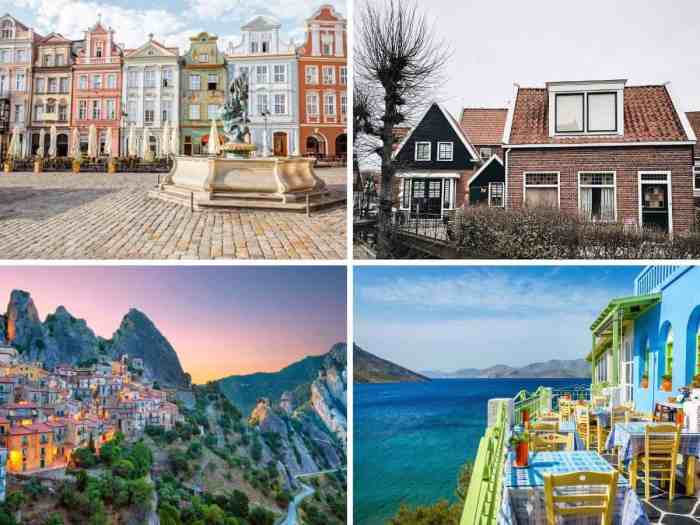
Europe, a continent brimming with iconic landmarks and bustling cities, also harbors a wealth of lesser-known destinations waiting to be discovered. These hidden gems offer a unique and authentic travel experience, far removed from the crowds and commercialization of more popular tourist spots. They provide a chance to immerse oneself in local culture, explore unspoiled landscapes, and create truly memorable travel experiences.
Ten Lesser-Known European Destinations
These ten destinations represent a diverse range of experiences, from charming villages to breathtaking natural landscapes, each offering a unique appeal to different types of travelers.
- Kotor, Montenegro: A picturesque coastal town nestled within a dramatic fjord-like bay, surrounded by towering mountains and ancient Venetian architecture. The charming old town, a UNESCO World Heritage site, offers a captivating blend of history and natural beauty.
- Hallstatt, Austria: A breathtaking village on the shores of a pristine lake, framed by majestic mountains. Its fairytale-like setting, with traditional wooden houses and stunning alpine scenery, makes it a truly unforgettable destination.
- Matera, Italy: A city carved into the rocks of the Basilicata region, with a history stretching back to the Paleolithic era. Its unique “Sassi” (cave dwellings) offer a glimpse into a fascinating past, while its vibrant modern culture adds another layer of appeal.
- Sighisoara, Romania: A remarkably well-preserved medieval citadel, a UNESCO World Heritage site, with cobblestone streets, fortified towers, and charming artisan workshops. It offers a step back in time to a bygone era.
- San Gimignano, Italy: Known for its remarkably well-preserved medieval towers, this Tuscan hilltop town offers stunning views of the rolling countryside. Its charming streets, artisan shops, and delicious local cuisine make it a delightful destination.
- Chefchaouen, Morocco: While technically in North Africa, its proximity to Europe and unique character warrant inclusion. This “blue pearl” of Morocco, with its stunning blue-washed buildings, offers a vibrant and enchanting atmosphere.
- Bled, Slovenia: A picturesque lake town nestled in the Julian Alps, featuring a stunning island church in the middle of the lake and a medieval castle perched on a cliff. Its serene beauty and natural wonders make it a perfect escape.
- Colmar, France: A charming town in Alsace, known for its half-timbered houses, canals, and picturesque streets. Its unique blend of German and French influences creates a culturally rich and visually stunning environment.
- Mostar, Bosnia and Herzegovina: Famous for its iconic Stari Most (Old Bridge), a masterpiece of Ottoman architecture spanning the Neretva River. The city’s rich history and cultural diversity offer a captivating experience.
- Lagos, Portugal (Algarve): While the Algarve is popular, Lagos itself retains a charm beyond the typical tourist traps. Its dramatic coastline, stunning grottos, and relaxed atmosphere offer a unique Portuguese experience.
Five Reasons These Destinations are Considered “Hidden Gems”
These destinations remain relatively undiscovered compared to other European hotspots, offering a unique and authentic travel experience.
- Authenticity: These locations retain a strong sense of local culture and tradition, relatively untouched by mass tourism. Visitors can experience genuine local life and traditions.
- Unspoiled Nature: Many of these destinations boast stunning natural landscapes, from pristine lakes and mountains to dramatic coastlines, offering opportunities for hiking, water sports, and simply enjoying the beauty of the natural world.
- Cultural Richness: Each destination boasts a unique cultural heritage, reflected in its architecture, cuisine, traditions, and history. Visitors can immerse themselves in a diverse range of cultural experiences.
- Fewer Crowds: Unlike more popular tourist destinations, these hidden gems offer a more tranquil and less crowded experience, allowing for a more relaxed and immersive exploration.
- Value for Money: Generally, these destinations offer better value for money compared to more established tourist hotspots, providing a more budget-friendly travel experience.
A Week-Long Itinerary Exploring Three Hidden Gems
This itinerary focuses on Hallstatt (Austria), Kotor (Montenegro), and San Gimignano (Italy), offering a diverse range of experiences within a week.
Day 1-3: Hallstatt, Austria
Arrive in Salzburg (easily accessible by air), then take a scenic train journey to Hallstatt. Explore the charming village, take a boat trip on the lake, hike in the surrounding mountains, and enjoy the breathtaking alpine scenery. Stay in a traditional guesthouse or a charming hotel overlooking the lake.
Day 4-5: Kotor, Montenegro
Travel from Hallstatt to Kotor (a scenic journey involving train and bus is recommended). Explore the ancient walled city of Kotor, a UNESCO World Heritage site, hike up to the fortress of San Giovanni for panoramic views, and enjoy the beautiful Bay of Kotor. Stay in a boutique hotel within the old town walls or a charming guesthouse in the surrounding area.
Day 6-7: San Gimignano, Italy
Travel from Kotor to San Gimignano (flights from nearby airports are recommended). Explore the medieval towers of San Gimignano, wander through its charming streets, enjoy the stunning Tuscan countryside views, and savor the delicious local cuisine. Stay in a charming agriturismo or a hotel in the town center.
Visual Elements for Travel Blogs
High-quality visuals are paramount to a successful travel blog. They are not merely supplementary; they are the heart of the experience, transporting readers to the destinations you describe and captivating them with the beauty of your discoveries. Effective imagery enhances the storytelling, creating a more immersive and memorable read. Choosing the right images, composing them thoughtfully, and using evocative captions are crucial elements in drawing the reader in and inspiring their own adventures.
Visually Striking Images for a Hidden Gem
Three distinct images can significantly elevate a blog post about a lesser-known European destination. The careful selection and presentation of these images will create a compelling narrative.
Image 1: A sweeping panoramic view of a charming, lesser-known village nestled in a valley. This image should showcase the unique architectural style of the village, perhaps with colorful buildings clinging to a hillside. The composition should emphasize the village’s integration with the natural landscape, perhaps with rolling hills or a meandering river in the background. The lighting should be soft and warm, ideally during the golden hour, casting long shadows that add depth and drama to the scene.
This image establishes the setting and hints at the tranquility and charm of the location.
Image 2: A close-up shot of a detail that reflects the local culture. This could be anything from intricately carved wooden doors, vibrant flower boxes adorning windowsills, or a detail from a local artisan’s craft. The composition should be tight, focusing on the texture and detail of the subject. The lighting should be carefully considered to highlight the texture and color of the subject, perhaps using natural light to enhance the vibrancy.
This image offers a glimpse into the unique character of the place and invites the reader to engage with its nuances.
Image 3: A dynamic action shot capturing a local experience. This could be a person enjoying a local activity, such as kayaking on a calm lake, hiking through a scenic trail, or interacting with local artisans. The composition should convey a sense of movement and energy. The lighting should be natural and bright, capturing the atmosphere and energy of the scene. This image adds a sense of adventure and encourages the reader to imagine themselves participating in the experience.
Captions for the Images
Image 1 Caption: “Lost in the enchanting embrace of [Village Name], where time seems to slow down and the world melts away. Discover your own hidden paradise.” This caption evokes a sense of wonder and tranquility, encouraging readers to envision themselves in the location.
Image 2 Caption: “The artistry of [Village Name] whispers stories of generations past. Every detail, a testament to the rich cultural heritage waiting to be explored.” This caption highlights the cultural significance of the location and piques the reader’s curiosity.
Image 3 Caption: “Embrace the adventure! [Village Name] invites you to create unforgettable memories. What will your story be?” This caption is action-oriented and directly encourages reader engagement, prompting them to consider their own potential experiences.
Visual Layout for a Blog Post
A visually appealing layout is crucial for readability and engagement. The blog post should begin with the panoramic village view (Image 1) as a hero image, spanning the full width of the page. Below this, a concise introduction should set the scene. The text should be broken up into digestible chunks with relevant images interspersed. Image 2, the close-up detail shot, could be placed within the section describing the local culture.
Image 3, the action shot, would be ideal within a section detailing activities or experiences in the area. A small, interactive map should be included, allowing readers to easily locate the hidden gem. Infographics, if relevant (e.g., showing distances between key attractions), can be incorporated to add visual interest and enhance understanding. The overall design should prioritize clean lines, ample white space, and a consistent font and color scheme for a professional and aesthetically pleasing presentation.
Ultimately, crafting compelling travel blogs about Europe’s hidden gems requires a blend of meticulous planning, captivating storytelling, and a keen eye for detail. By focusing on authentic experiences, striking visuals, and a well-structured narrative, you can inspire fellow travelers to explore the less-trodden paths and uncover the magic that awaits in Europe’s undiscovered corners. Let your passion for travel guide your words, and your unique perspective will resonate with readers eager to embark on their own unforgettable journeys.
FAQ Corner
How can I find hidden gems in Europe independently?
Utilize lesser-known travel forums, local blogs, and explore smaller towns and villages beyond major cities. Interact with locals for personalized recommendations.
What kind of camera equipment is ideal for travel blogging photography?
A versatile DSLR or mirrorless camera with a wide-angle lens and a good zoom lens is recommended. Consider a lightweight tripod for stability.
How do I monetize my travel blog?
Monetization strategies include affiliate marketing, sponsored posts, advertising, and selling digital products (e.g., ebooks, photography prints).
What are some essential travel apps for European travel?
Consider apps for translation, offline maps, currency conversion, public transport information, and booking accommodations.