Embark on a journey through time and culture, exploring destinations that resonate deeply with history buffs, architecture aficionados, art lovers, and culinary adventurers. This exploration delves into the rich tapestry of historical sites globally, offering insights into unique cultural experiences and practical travel advice for the discerning culture enthusiast. We’ll uncover hidden gems and iconic landmarks, providing a roadmap for unforgettable journeys.
From the ancient wonders of Rome to the vibrant streets of Marrakech, we’ll navigate a curated selection of top historical destinations, each brimming with cultural significance and historical richness. We’ll examine diverse travel styles, budgeting strategies, and essential tips for respectful and immersive cultural exploration. Prepare to be inspired to plan your own enriching historical adventure.
Defining “Culture Enthusiast” for Historical Travel
The term “culture enthusiast” for historical travel encompasses a broad spectrum of individuals driven by a shared passion for exploring the past. It’s not simply about ticking off historical sites; it’s about a deeper engagement with the history, art, and lifestyle of a place, revealing a multifaceted interest that goes beyond the superficial. This definition accommodates diverse interests and travel styles, creating a rich tapestry of experiences.
Culture enthusiasts are united by their desire to immerse themselves in the cultural heritage of a destination. However, their motivations and approaches vary significantly. Understanding these differences is crucial for tailoring travel experiences to their specific needs and preferences. This diversity is what makes historical travel so captivating, offering unique perspectives and insights into the past.
Types of Culture Enthusiasts and Their Travel Preferences
Culture enthusiasts are not a monolithic group. Their motivations range from academic research to pure aesthetic appreciation. For example, the meticulous historian might meticulously plan a trip around specific archives and libraries, while the architecture lover might focus on visiting significant buildings and understanding their construction techniques. Similarly, a foodie might prioritize experiencing local culinary traditions, whereas an art enthusiast might concentrate on visiting museums and galleries.
These varying interests significantly influence their travel choices, itinerary planning, and overall travel experience.
Diverse Interests within the “Culture Enthusiast” Category
The category of “culture enthusiast” encompasses a multitude of specific interests, each influencing travel choices and experiences. These diverse passions create a vibrant and engaging tourism landscape.
- History Buffs: These individuals are driven by a deep fascination with historical events, figures, and periods. Their trips often involve visiting battlefields, historical sites, and museums, and engaging with primary source materials. They might meticulously research their destinations, focusing on specific historical narratives and interpretations. For example, a history buff might spend days exploring the ruins of Pompeii, delving into the lives of its inhabitants before and during the eruption of Mount Vesuvius.
- Architecture Lovers: Architecture enthusiasts are captivated by the aesthetic and structural qualities of buildings and urban landscapes. Their travel focuses on exploring different architectural styles, visiting significant structures, and understanding the historical and cultural contexts in which they were built. A trip might center around exploring Gothic cathedrals in Europe or the modern architecture of a major city.
- Foodies: Food plays a central role for these travelers. Their trips are driven by a desire to sample local cuisine, learn about culinary traditions, and understand the cultural significance of food. They might participate in cooking classes, visit local markets, and seek out authentic dining experiences, creating a culinary journey through history and culture.
- Art Enthusiasts: Art lovers are drawn to the visual arts, exploring museums, galleries, and historical sites with significant artistic heritage. Their travel might focus on specific artists, movements, or periods, leading them to discover hidden gems and iconic masterpieces. For instance, a trip could be dedicated to the Renaissance art of Florence or the Impressionist paintings of Paris.
Typology of Culture Enthusiasts Based on Travel Motivations and Preferred Activities
A typology can be developed to further categorize culture enthusiasts based on their primary motivations and travel preferences. This helps in understanding their needs and designing more targeted and fulfilling travel experiences.
| Type | Primary Motivation | Preferred Activities | Example Trip |
|---|---|---|---|
| The Scholar | Academic research and in-depth understanding | Visiting archives, libraries, and historical sites; engaging with experts | A research trip to the British Library to study medieval manuscripts. |
| The Explorer | Discovery and adventure; seeking out lesser-known sites | Hiking to remote ruins, exploring off-the-beaten-path destinations | Trekking through the ruins of Angkor Wat in Cambodia. |
| The Aesthete | Appreciation of beauty and artistic expression | Visiting museums, galleries, and architectural landmarks | A tour of the major art museums in Florence, Italy. |
| The Immersive Traveler | Complete immersion in the local culture and lifestyle | Participating in local events, interacting with locals, learning the language | Homestay in a rural village in rural Japan, participating in traditional tea ceremonies. |
Top 10 Historical Travel Destinations
For culture enthusiasts, exploring historical sites offers a unique opportunity to connect with the past and understand the evolution of human civilization. These destinations, chosen for their profound cultural impact and historical richness, provide a captivating journey through time. Each location offers a wealth of experiences, from architectural marvels to poignant reminders of significant historical events. The following list ranks these destinations based on their enduring cultural significance and the abundance of historical sites they offer.
Top 10 Historical Travel Destinations Ranked by Cultural Significance and Historical Richness
| Destination | Country | Key Attractions | Brief Description |
|---|---|---|---|
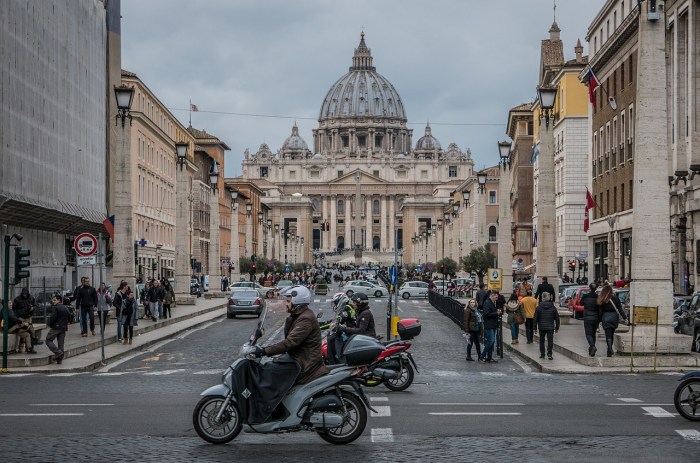
| Rome | Italy | Colosseum, Roman Forum, Pantheon, Vatican City | The heart of the Roman Empire, showcasing its power and influence through its iconic architecture and historical sites. The Vatican City, within Rome, is also a significant center of the Catholic Church, boasting St. Peter’s Basilica and the Vatican Museums. |
| Athens | Greece | Acropolis, Parthenon, Ancient Agora | Birthplace of democracy and Western philosophy, Athens is home to remarkable ancient structures that bear witness to its significant role in shaping Western civilization. |
| Kyoto | Japan | Kinkaku-ji (Golden Pavilion), Fushimi Inari-taisha Shrine, Kiyomizu-dera Temple | Former imperial capital of Japan, Kyoto boasts stunning temples, shrines, and traditional gardens, offering a glimpse into Japan’s rich cultural heritage. |
| Machu Picchu | Peru | Inca citadel, mountaintop ruins, surrounding landscape | A breathtaking Inca citadel nestled high in the Andes Mountains, Machu Picchu is a testament to the advanced engineering and sophisticated culture of the Inca Empire. |
| Beijing | China | Forbidden City, Great Wall, Temple of Heaven | The imperial capital of China for centuries, Beijing showcases impressive imperial architecture and vast historical sites reflecting China’s long and influential history. |
| Cairo | Egypt | Pyramids of Giza, Sphinx, Egyptian Museum | Home to the ancient wonders of the Giza pyramids and the Sphinx, Cairo offers a window into the mysteries and achievements of ancient Egyptian civilization. |
| Jerusalem | Israel | Western Wall, Church of the Holy Sepulchre, Dome of the Rock | A city of immense religious and historical significance for Judaism, Christianity, and Islam, Jerusalem holds sacred sites and a rich history spanning millennia. |
| Angkor | Cambodia | Angkor Wat, Angkor Thom, Bayon | The magnificent temple complex of Angkor Wat, along with other temples within the Angkor Archaeological Park, represents the height of Khmer civilization and its artistic achievements. |
| Teotihuacan | Mexico | Pyramid of the Sun, Pyramid of the Moon, Avenue of the Dead | A pre-Columbian city showcasing impressive pyramids and urban planning, Teotihuacan reveals the advanced civilization that thrived in Mesoamerica centuries ago. |
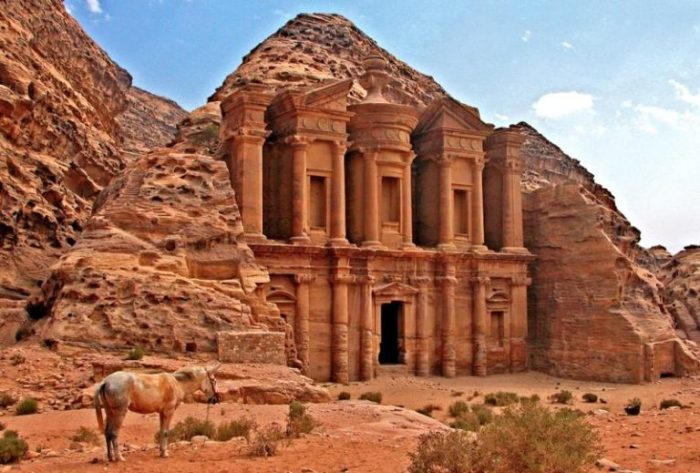
| Petra | Jordan | Treasury, Monastery, Siq | A stunning city carved into sandstone cliffs, Petra demonstrates the ingenuity and architectural skills of the Nabataean civilization. |
Unique Cultural Experiences at Each Destination
Exploring historical sites offers more than just a glimpse into the past; it provides an opportunity to immerse oneself in the vibrant tapestry of human culture. By engaging with the unique cultural experiences available at each destination, travelers gain a deeper understanding and appreciation for the historical context and the enduring legacy of these places. This section details three distinctive cultural experiences for each of the ten destinations, highlighting their significance within the broader historical and cultural landscape.
The selection of these experiences prioritizes authenticity and engagement, offering a nuanced perspective beyond typical tourist attractions. They are chosen to represent diverse aspects of the culture, from traditional crafts and culinary practices to significant historical events and artistic expressions. Understanding these experiences enhances the overall travel experience, transforming a simple visit into a meaningful and enriching journey through time.
Unique Cultural Experiences in Kyoto, Japan
Kyoto, a city steeped in history and tradition, offers a wealth of cultural immersion opportunities. The following experiences provide a taste of its rich heritage and artistic legacy.
- Participating in a traditional tea ceremony: This serene ritual, steeped in centuries of tradition, involves meticulous preparation and mindful consumption of matcha. It embodies Japanese aesthetics, emphasizing harmony, respect, and tranquility.
- Visiting a geisha district like Gion: Witnessing the elegant presence of geishas, though fleeting, offers a glimpse into a unique aspect of Japanese culture, its history intertwined with entertainment and artistry. While direct interaction may be limited, observing their refined movements and attire provides a cultural insight.
- Attending a traditional Noh theatre performance: This ancient form of Japanese drama, characterized by stylized movements, masks, and chanting, provides a powerful connection to Japan’s rich theatrical heritage and spiritual beliefs.
Unique Cultural Experiences in Rome, Italy
Rome, the Eternal City, boasts a layered history reflected in its numerous cultural experiences. These experiences offer diverse ways to engage with its rich past and present.
- Attending an opera performance at Teatro dell’Opera di Roma: Experiencing the grandeur of Italian opera within a historic venue provides a profound connection to the city’s artistic legacy and passionate cultural expression.
- Taking a cooking class focused on Roman cuisine: Learning to prepare classic Roman dishes like pasta cacio e pepe or saltimbocca offers an intimate understanding of the city’s culinary traditions and their historical evolution.
- Exploring the hidden churches and catacombs: Venturing beyond the major tourist sites to discover the city’s hidden religious history provides a unique perspective on Roman faith and its impact on the city’s development.
Unique Cultural Experiences in Machu Picchu, Peru
Machu Picchu, a breathtaking Inca citadel, offers cultural experiences deeply rooted in its historical significance and the Andean worldview. These experiences connect visitors to the legacy of the Inca Empire.
- Hiking the Inca Trail (with permits): This challenging trek provides an immersive experience, allowing travelers to appreciate the scale of the Inca empire and the ingenuity of its construction while traversing stunning landscapes.
- Learning about Inca astronomy and cosmology: Understanding the Inca’s sophisticated knowledge of astronomy and its role in their daily life and religious practices offers a unique insight into their worldview and societal structure.
- Participating in a traditional Andean ceremony (with a local guide): Experiencing a ceremony, such as a Pachamama offering, provides a glimpse into the spiritual beliefs and traditions that have endured for centuries in the Andean region.
Unique Cultural Experiences in Angkor Wat, Cambodia
Angkor Wat, a magnificent temple complex, represents the pinnacle of Khmer architecture and spiritual beliefs. These experiences offer diverse ways to engage with its history and cultural significance.
- Witnessing sunrise over Angkor Wat: This iconic view, shared by countless visitors, provides a powerful visual representation of the temple’s scale and grandeur, setting the tone for a deeper cultural exploration.
- Exploring the lesser-known temples of Angkor: Venturing beyond Angkor Wat to discover the numerous other temples within the Angkor Archaeological Park provides a broader understanding of the Khmer empire’s artistic and religious achievements.
- Learning about Apsara dance: Witnessing a performance of this classical Cambodian dance, with its graceful movements and storytelling, offers insight into the country’s rich artistic traditions and its connection to Hindu mythology.
Unique Cultural Experiences in The Great Wall of China
The Great Wall of China, a monumental feat of engineering, offers experiences that connect visitors to its historical significance and cultural impact.
- Hiking a less-crowded section of the wall: Escaping the throngs of tourists at popular sections allows for a more contemplative experience, fostering a deeper appreciation for the wall’s immense scale and historical context.
- Visiting a nearby village to interact with locals: Engaging with local communities provides insight into the lives of those who live near this iconic landmark and their connection to its history.
- Learning about the different dynasties that contributed to the wall’s construction: Understanding the historical periods and rulers involved in building and maintaining the wall offers a nuanced understanding of its evolution and significance throughout Chinese history.
Unique Cultural Experiences in Petra, Jordan
Petra, a city carved into sandstone cliffs, offers unique cultural experiences deeply connected to its Nabataean heritage.
- Exploring the Siq by donkey or camel: This traditional mode of transport adds to the immersive experience, allowing for a slower pace and greater appreciation for the landscape and the architectural marvels that lie ahead.
- Learning about Nabataean water management systems: Understanding the ingenious techniques used by the Nabataeans to harness and manage water resources in this arid environment reveals their advanced engineering skills and adaptability.
- Visiting a Bedouin camp for a cultural experience: Engaging with the Bedouin culture, learning about their traditions, and perhaps sharing a meal, provides a connection to the present-day inhabitants of this historical region and their enduring connection to the land.
Unique Cultural Experiences in Machu Picchu, Peru
Machu Picchu, a breathtaking Inca citadel, offers cultural experiences deeply rooted in its historical significance and the Andean worldview. These experiences connect visitors to the legacy of the Inca Empire.
- Hiking the Inca Trail (with permits): This challenging trek provides an immersive experience, allowing travelers to appreciate the scale of the Inca empire and the ingenuity of its construction while traversing stunning landscapes.
- Learning about Inca astronomy and cosmology: Understanding the Inca’s sophisticated knowledge of astronomy and its role in their daily life and religious practices offers a unique insight into their worldview and societal structure.
- Participating in a traditional Andean ceremony (with a local guide): Experiencing a ceremony, such as a Pachamama offering, provides a glimpse into the spiritual beliefs and traditions that have endured for centuries in the Andean region.
Unique Cultural Experiences in Cairo, Egypt
Cairo, a city with millennia of history, offers a diverse range of cultural experiences reflecting its rich past and present.
- Visiting a traditional Egyptian Khan el-Khalili bazaar: Navigating the bustling souks, engaging in haggling, and experiencing the vibrant atmosphere offers a sensory immersion into Egyptian commerce and daily life.
- Attending a Tanoura dance performance: This whirling Sufi dance, with its mesmerizing movements and spiritual significance, provides a unique insight into Egyptian mysticism and artistic expression.
- Taking a Felucca ride on the Nile River: A relaxing sail on the Nile, witnessing the city from a different perspective, provides a tranquil experience that contrasts with the bustling city life and offers a glimpse into the river’s historical significance.
Unique Cultural Experiences in Athens, Greece
Athens, the birthplace of democracy, offers cultural experiences deeply connected to its ancient history and enduring legacy.
- Attending a performance at the Odeon of Herodes Atticus: Experiencing a concert or play in this ancient theatre, with its stunning backdrop of the Acropolis, provides a powerful connection to the city’s rich theatrical heritage.
- Participating in a pottery class using traditional techniques: Learning to create pottery using ancient methods offers a hands-on experience, connecting visitors to the artistic traditions of ancient Greece.
- Exploring the Plaka district and its traditional tavernas: Immersing oneself in the charming streets of the Plaka, enjoying a meal at a traditional taverna, provides a connection to the vibrant contemporary Athenian culture while appreciating its historical setting.
Unique Cultural Experiences in New York City, USA
New York City, a global hub of culture and history, offers a multitude of unique experiences reflecting its diverse population and dynamic past.
- Attending a Broadway show: Experiencing the energy and artistry of a Broadway production offers a taste of New York City’s renowned theatrical scene and its place in American popular culture.
- Exploring the diverse neighborhoods of the city: From Chinatown to Little Italy, each neighborhood offers a unique cultural immersion, showcasing the city’s rich ethnic diversity and its vibrant cultural tapestry.
- Visiting a museum dedicated to a specific historical period or cultural movement: Whether it’s the Metropolitan Museum of Art or a smaller, specialized museum, exploring a museum provides in-depth insight into a particular facet of New York’s cultural history.
Practical Travel Information for Culture Enthusiasts
Planning a culturally enriching trip requires more than just booking flights and accommodation. Understanding the practicalities of travel—from visa requirements to cultural sensitivities—is crucial for a seamless and respectful experience. This section provides essential information to help you navigate your journey smoothly and immerse yourself fully in the destination’s culture.
Visa Requirements and Entry Procedures
Navigating international travel often begins with understanding visa regulations. Visa requirements vary significantly depending on your nationality and the country you are visiting. Some countries offer visa-free entry for citizens of certain nations, while others require visas obtained in advance through an embassy or consulate. It is imperative to check the specific visa requirements for your destination well in advance of your trip, allowing ample time for the application process.
Failure to secure the necessary documentation could result in being denied entry. Websites such as the official government websites of your destination country and your home country’s foreign affairs ministry are excellent resources for the most up-to-date information. For example, a US citizen travelling to most of the Schengen Area countries in Europe will need to apply for a Schengen visa, while a Canadian citizen may only need an Electronic Travel Authorization (eTA).
Local Customs and Etiquette
Respecting local customs and etiquette is paramount when travelling to a new culture. Simple gestures of politeness can go a long way in building positive relationships with locals. Researching common customs before your trip will significantly enhance your experience. This might include understanding appropriate greetings, dining etiquette, and dress codes. For instance, in many Southeast Asian countries, removing your shoes before entering a home or temple is a sign of respect.
Similarly, in some cultures, direct eye contact may be considered rude, while in others it is expected. Understanding these nuances helps avoid unintentional offenses and fosters a more meaningful interaction with the local community.
Appropriate Attire
Appropriate attire varies widely across cultures and locations. Modest dressing is often preferred when visiting religious sites or interacting with conservative communities. Researching the typical dress code for your destination is crucial. In many Muslim-majority countries, women may be expected to cover their heads and shoulders, while men may need to dress modestly as well. In other regions, revealing clothing may be considered inappropriate, even in casual settings.
Packing versatile clothing items that can be easily adapted to different situations will ensure you’re always appropriately dressed.
Respectful Travel Practices
Respectful travel involves mindful engagement with both historical sites and local communities. When visiting historical sites, adhere to any guidelines provided, such as avoiding touching artifacts or climbing on structures. Taking photographs should be done respectfully, avoiding intrusive or exploitative imagery. Remember that historical sites are often places of significant cultural and spiritual importance. When interacting with local communities, be mindful of their customs and traditions.
Learn a few basic phrases in the local language to show your effort to connect, and always ask for permission before taking photographs of people. Avoid making assumptions or generalizations about the local culture, and be open to learning and understanding different perspectives.
Essential Travel Tips for Culture Enthusiasts
Preparation is key to a successful cultural immersion. Here are some essential tips to consider:
- Learn basic phrases in the local language. Even a few simple greetings can enhance your interactions.
- Research the local currency and exchange rates before your trip to avoid unexpected costs.
- Pack light, but strategically. Choose versatile clothing items that can be easily mixed and matched.
- Make copies of important documents, such as your passport and visa, and store them separately from the originals.
- Inform your bank and mobile phone provider of your travel plans to avoid any issues with accessing your accounts.
- Purchase travel insurance to protect yourself against unexpected events, such as medical emergencies or trip cancellations.
- Be aware of local laws and regulations, and respect them.
- Be open to new experiences and embrace cultural differences.
- Engage with local communities respectfully and authentically.
- Document your journey through journaling, photography, or other creative means.
Illustrative Examples of Cultural Immersion
Deep cultural immersion goes beyond simply visiting a historical site; it involves engaging all your senses and actively participating in the local culture. The following examples illustrate how travelers can achieve this level of engagement, enriching their understanding and appreciation of the past.
A Culinary Journey Through Ancient Rome
Imagine yourself in Rome, not just gazing at the Colosseum, but participating in a hands-on pasta-making class in a traditional Roman trattoria. The air is thick with the aroma of garlic, basil, and simmering tomato sauce. You feel the smooth, cool texture of the dough as you knead it, learning the ancient techniques passed down through generations. The sounds of lively conversation in Italian blend with the rhythmic clanging of pots and pans.
The taste of freshly made pasta, seasoned with simple yet exquisite ingredients, is a revelation – a direct connection to the culinary traditions of ancient Rome. This experience transcends simply eating; it provides insight into the daily life, social structures, and agricultural practices of the Roman people. The historical context is enriched by understanding that the ingredients and cooking methods have evolved little over centuries, offering a tangible link to the past.
A Spiritual Awakening at Angkor Wat
Sunrise at Angkor Wat in Cambodia offers a profoundly spiritual experience. The air is still and cool, carrying the scent of incense and damp earth. The sight of the temple bathed in the golden light of the rising sun is breathtaking, its intricate carvings whispering stories of ancient Khmer kings and gods. The sounds of chanting monks and the murmuring prayers of visitors create an atmosphere of reverence and peace.
The feel of the cool stone beneath your bare feet grounds you in the present moment, while the intricate bas-reliefs transport you to another time. This immersion goes beyond admiring the architecture; it involves a connection to the spiritual beliefs that shaped the Khmer civilization. Witnessing the daily rituals and feeling the palpable energy of the site allows for a deeper understanding of its religious significance and the enduring legacy of the Khmer empire.
A Textile Tradition in Oaxaca, Mexico
In Oaxaca, Mexico, a visit to a weaving cooperative offers a sensory feast. The vibrant colors of the threads – deep reds, brilliant blues, and sunny yellows – are a feast for the eyes. The air is filled with the rhythmic clatter of looms and the soft hum of conversation in Zapotec. The texture of the wool and cotton, rough yet comforting, speaks of generations of skilled artisans.
The taste of traditional Oaxacan chocolate, shared with the weavers, adds a final layer to the experience. This immersion transcends the simple act of observing; it offers a direct engagement with a living cultural tradition. The historical context lies in understanding that these intricate weaving techniques have been passed down through generations, representing a powerful connection to the pre-Hispanic past and the enduring resilience of indigenous culture.
The intricate patterns and vibrant colours tell stories of history, mythology and daily life, enriching your appreciation of Oaxaca’s rich cultural heritage.
Comparing Travel Styles for Culture Enthusiasts
Choosing the right travel style significantly impacts a culture enthusiast’s experience. Different approaches offer varying degrees of control, cost-effectiveness, and depth of immersion. Understanding these nuances is crucial for planning a truly enriching journey. This section will compare independent travel, guided tours, and themed itineraries, highlighting their respective advantages and disadvantages.
Independent Travel
Independent travel offers maximum flexibility. Culture enthusiasts can craft their own itinerary, choosing sites and activities that genuinely resonate with their interests. This allows for a deeper, more personalized exploration, allowing for spontaneous detours and extended stays at captivating locations. However, independent travel requires more planning and research. It can also be more expensive if not managed carefully, especially concerning accommodation and transportation.
The lack of pre-arranged logistics might lead to unforeseen challenges, especially in unfamiliar regions.
Guided Tours
Guided tours provide a structured approach, relieving travelers of logistical burdens. Experts curate itineraries, ensuring access to key cultural sites and offering insightful commentary. This structured approach can be particularly beneficial for first-time visitors or those with limited time. The group dynamic can also foster a sense of community and shared experience. However, guided tours often lack the flexibility of independent travel, limiting spontaneous exploration.
The cost can be higher than independent travel, and the pace may not always suit individual preferences. Furthermore, the depth of cultural immersion might be shallower due to the fixed itinerary and larger group size.
Themed Itineraries
Themed itineraries, focusing on specific cultural aspects (e.g., culinary tours, historical walking tours, art-focused trips), provide a focused and immersive experience. These tours cater to specific interests, offering in-depth exploration of a chosen niche. This approach can lead to a richer understanding of a particular cultural facet. However, themed itineraries might lack the breadth of a more general approach, potentially missing out on other cultural aspects.
The cost and flexibility can vary widely depending on the theme and tour operator.
Comparison of Travel Styles
The following table summarizes the advantages and disadvantages of each travel style:
| Travel Style | Advantages | Disadvantages |
|---|---|---|
| Independent Travel | Maximum flexibility, personalized experience, potential cost savings (with careful planning), deeper immersion | Requires extensive planning, potential for unforeseen challenges, can be more expensive if not well-managed, higher risk of logistical issues |
| Guided Tours | Structured itinerary, expert guidance, ease of logistics, social interaction, access to specific sites | Less flexibility, higher cost, potential for a less personalized experience, pre-determined pace, potentially less depth of immersion |
| Themed Itineraries | In-depth exploration of a specific cultural aspect, focused experience, expert knowledge within a niche | Limited breadth of cultural exposure, cost and flexibility vary widely, potential for a less holistic understanding of the culture |
Ultimately, exploring historical travel destinations as a culture enthusiast is about more than just sightseeing; it’s about forging a deeper connection with the past, understanding different cultures, and enriching one’s own perspective. By thoughtfully planning your trip and embracing respectful travel practices, you can create memories that will last a lifetime. The journey itself, filled with unique experiences and cultural immersion, becomes an integral part of the story you create.
FAQ Summary
What’s the best time of year to visit historical sites?
The ideal time varies by location and climate. Research the specific destination’s weather patterns and peak tourist seasons to find the best balance of pleasant weather and manageable crowds.
How can I learn more about the local culture before my trip?
Utilize online resources such as travel blogs, documentaries, and cultural guides. Consider learning basic phrases in the local language for enhanced interaction.
What are some essential items to pack for a cultural trip?
Comfortable walking shoes, appropriate clothing that respects local customs, a reusable water bottle, sunscreen, a universal adapter, and a phrasebook are all highly recommended.
How do I ensure my travel is respectful of local customs?
Research local customs and traditions beforehand. Dress modestly when visiting religious sites, ask permission before taking photos of people, and be mindful of noise levels in public spaces.