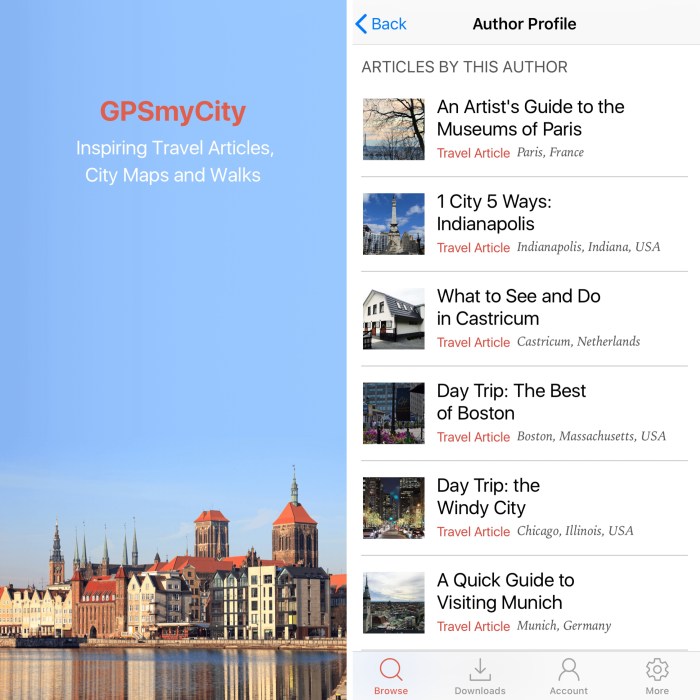
Exploring a new city can be overwhelming, but the rise of travel apps featuring virtual city guides is transforming the way we navigate and experience unfamiliar urban landscapes. These apps offer a wealth of information at your fingertips, from interactive maps and audio tours to augmented reality overlays and personalized itineraries, promising a richer and more engaging travel experience.
This exploration delves into the features, benefits, and future potential of these innovative tools, comparing various apps and considering their impact on the overall travel experience.
We’ll examine the different types of virtual guides available, such as audio tours, video walkthroughs, and interactive 3D maps, and discuss how these technologies enhance the discovery process. We’ll also consider the potential drawbacks of over-reliance on technology, highlighting the importance of serendipitous encounters and spontaneous exploration. Finally, we’ll look towards the future, exploring the integration of AI and other emerging technologies that will likely shape the next generation of virtual city guides.
Top Travel Apps Featuring Virtual City Guides
Exploring a new city can be daunting, but the rise of travel apps with integrated virtual city guides has significantly eased the process. These apps offer a convenient and interactive way to navigate unfamiliar territories, discover hidden gems, and plan itineraries efficiently, eliminating the need for bulky guidebooks and potentially confusing paper maps. This section will delve into some of the leading apps in this space, comparing their features, pricing, and user experience.
Popular Travel Apps with Virtual City Guides
Several apps provide comprehensive virtual city guides, each with unique strengths and weaknesses. The following table summarizes key aspects of five popular options:
| App Name | Key Features | Pricing | Platform Availability |
|---|---|---|---|
| Google Maps | Street View, offline maps, navigation, reviews, public transport information, integrated local guides, points of interest information | Free (with optional in-app purchases for specific features) | iOS, Android, Web |
| Citymapper | Real-time public transport information, walking and cycling directions, offline maps, points of interest, trip planning tools | Free (with optional premium subscription for extra features) | iOS, Android |
| Klook | Booking platform for tours, activities, and transportation, integrated city guides with curated recommendations, offline access to bookings | Varies depending on booked activities; app itself is free | iOS, Android, Web |
| TripAdvisor | Reviews, ratings, booking platform for accommodations and activities, city guides with recommendations based on user interests | Free (with optional premium features) | iOS, Android, Web |
| Airbnb | Accommodation booking platform, integrated neighborhood guides with local tips and recommendations, often includes information from hosts | Free (booking fees apply) | iOS, Android, Web |
User Interface Comparison of Leading Travel Apps
Comparing the user interfaces of Google Maps, Citymapper, and TripAdvisor reveals distinct approaches to information presentation. Google Maps boasts a highly intuitive interface, leveraging familiar map conventions and a straightforward search function. Its visual clarity and ease of navigation make it particularly user-friendly, even for those unfamiliar with the app. Citymapper’s interface, while functional, might feel slightly less intuitive to newcomers, focusing more on streamlined public transport information.
TripAdvisor, on the other hand, presents a more visually rich experience, prioritizing reviews and user-generated content, which can sometimes feel less streamlined for straightforward navigation. Each app prioritizes different aspects of the travel experience, leading to varying levels of intuitive design depending on user needs.
Virtual City Guides vs. Traditional Guidebooks
Virtual city guides within travel apps offer several advantages over traditional printed guidebooks. Their portability, ease of updating, and interactive features provide a dynamic travel experience. Real-time information on transportation, local events, and even weather updates are readily available. However, printed guidebooks retain some advantages. They offer a tangible experience, allowing for offline browsing without relying on battery life or data connectivity.
The lack of digital distractions also allows for a more focused and immersive reading experience. The best choice ultimately depends on individual preferences and travel style. For instance, someone relying on public transport might benefit more from a real-time app, whereas a traveler prioritizing offline access and a less distracting experience might prefer a printed guide.
Types of Virtual Guides Offered in Travel Apps
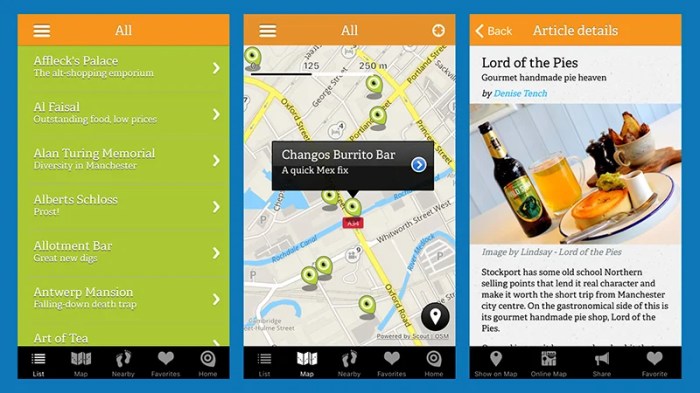
Travel apps are increasingly leveraging virtual city guides to enhance the tourist experience, moving beyond simple maps and offering immersive and personalized exploration. These guides offer diverse formats catering to different learning styles and preferences, enriching the overall travel planning and on-the-ground experience. The variety of options ensures accessibility and caters to a wide range of user needs.
Three primary types of virtual city guides are prevalent in travel applications: audio guides, video tours, and interactive maps. Each type offers unique advantages, creating a multifaceted approach to exploring a city virtually before, during, or even after a trip.
Audio Guides
Audio guides provide a convenient and engaging way to explore a city. They typically consist of pre-recorded narrations, often paired with background music and sound effects, that describe points of interest, historical facts, and cultural insights. Users can listen to these narrations while walking around, allowing them to absorb information effortlessly without constantly looking at a screen. Many apps offer downloadable audio guides for offline use, addressing connectivity concerns in areas with limited or no internet access.
For example, Rick Steves’ audio guides are known for their detailed and engaging commentary on European cities, providing a rich historical and cultural context. These guides often include tips on local customs and etiquette, enhancing the overall travel experience.
Video Tours
Video tours provide a more visually rich experience compared to audio guides. These tours often involve short video clips showcasing landmarks, streetscapes, and local life, giving users a sense of the city’s atmosphere. They can include interviews with locals, providing authentic perspectives and insights that are often missing from traditional guidebooks. Some apps use 360° video technology, allowing users to virtually “walk” through locations, offering a highly immersive experience.
Imagine exploring the bustling markets of Marrakech through a 360° video, feeling like you are truly present in the heart of the city. This interactive element enhances engagement and allows for a deeper appreciation of the city’s character.
Interactive Maps
Interactive maps go beyond simple location markers. They integrate points of interest with multimedia content, such as photos, videos, and audio descriptions. Users can zoom in and out, explore different neighborhoods, and access information on demand. Many apps offer augmented reality (AR) overlays, superimposing digital information onto the real-world view through a smartphone camera. This allows users to see historical images of a building superimposed on its current appearance or access information about nearby restaurants or shops instantly.
For instance, an app might show a historical photograph of a building overlaid on the user’s live camera feed, giving a fascinating glimpse into the past. This combination of interactive maps and AR features offers a unique and engaging way to explore a city.
A Hypothetical Virtual City Guide for Kyoto, Japan
This hypothetical guide, targeted towards culturally interested travelers aged 25-55, would focus on Kyoto’s rich history and traditional culture. The app would utilize a combination of audio guides, 360° video tours, and an interactive map featuring AR overlays. Content would include detailed descriptions of temples, gardens, and traditional tea houses, along with historical background information and insights into Japanese customs.
The navigation would be intuitive, with clear map displays and easy-to-use search functions. The user experience would prioritize a clean, aesthetically pleasing interface with high-quality visuals and audio. Personalized itineraries could be generated based on user preferences, suggesting optimal routes and timings to maximize their experience. For example, a user interested in Zen gardens could receive a curated itinerary highlighting key gardens, accompanied by audio commentary on their history and design principles.
The app would also incorporate a “local’s perspective” feature, providing short video clips from Kyoto residents sharing their favorite spots and local insights.
Impact of Virtual Guides on Travel Experiences
Virtual city guides integrated into travel apps are revolutionizing how we explore new places, offering a blend of convenience, information, and personalized experiences that significantly enhance the overall travel journey. These apps provide readily accessible information, detailed maps, and often even augmented reality features, transforming a potentially daunting exploration into a more manageable and enjoyable adventure.Virtual guides offer a wealth of benefits, streamlining the travel experience and allowing users to maximize their time in a new city.
However, an over-reliance on these digital tools can inadvertently diminish the spontaneity and serendipitous discoveries that often define the most memorable travel moments. The charm of getting lost in a labyrinthine alleyway, stumbling upon a hidden gem, or engaging in unplanned conversations with locals is often lost when rigidly adhering to a pre-programmed itinerary. Furthermore, the human element of travel—the interactions with local guides, fellow travelers, and the vibrant energy of a city—can be overshadowed by the immersive, yet ultimately solitary, experience of a virtual guide.
Benefits of Virtual City Guides
Virtual city guides enhance travel experiences by providing several key advantages. Firstly, they offer unparalleled convenience, providing readily accessible information about points of interest, transportation options, and local amenities. This eliminates the need to constantly consult paper maps or guidebooks, freeing up travelers to focus on their surroundings and enjoy their experience more fully. Secondly, many apps offer personalized itineraries based on user preferences, ensuring that the exploration is tailored to individual interests and time constraints.
This customization can lead to a more fulfilling and efficient travel experience. Finally, the integration of augmented reality features in some apps allows users to overlay digital information onto their real-world view, providing context and enriching the sightseeing experience. For example, a user might point their phone at a historical building and instantly receive detailed information about its architecture, history, and significance.
Drawbacks of Sole Reliance on Virtual Guides
While virtual guides offer numerous benefits, relying solely on them can lead to a less authentic and less enriching travel experience. The spontaneous nature of exploration, the unexpected encounters, and the serendipitous discoveries that often make travel so memorable are often lost when following a strictly prescribed digital itinerary. Moreover, the lack of human interaction can diminish the cultural immersion aspect of travel.
Engaging with local guides, interacting with fellow travelers, and striking up conversations with locals provides a depth of understanding and a richness of experience that a virtual guide simply cannot replicate. The reliance on a screen can also limit the sensory engagement with the environment, reducing the opportunity for unexpected sights, sounds, and smells that enrich the overall experience.
Positive Travel Experience Enhanced by a Virtual City Guide App
Imagine Sarah, a solo traveler in Kyoto, Japan. Armed with her travel app featuring a virtual city guide, she easily navigates the intricate network of streets and alleys. The app suggests a lesser-known temple, tucked away from the main tourist routes, showcasing stunning architecture and peaceful gardens. While exploring the temple grounds, the app provides historical context and interesting facts about the temple’s history and significance, enriching her understanding and appreciation of the site.
Later, the app suggests a local ramen shop, hidden down a narrow side street, where she enjoys an authentic meal and a brief conversation with the friendly owner. This combination of guided exploration and unexpected discoveries, facilitated by the app, resulted in a richer and more memorable experience than she might have had navigating the city solely by herself or relying on a traditional guidebook.
The Future of Virtual City Guides in Travel Apps
The rapid advancement of technology promises to significantly reshape the landscape of virtual city guides within travel applications. We can expect increasingly sophisticated features, enhanced user experiences, and a more seamless integration of virtual guides into the overall travel planning and execution process. This evolution will be driven by both technological innovation and evolving user preferences.The integration of artificial intelligence (AI) and improved accessibility features will play a crucial role in enhancing the functionality and usability of virtual city guides.
This will lead to more personalized and adaptive experiences for users.
AI-Powered Personalization and Adaptive Guides
AI will allow for the creation of truly personalized travel experiences. Imagine an app that learns your travel preferences – be it historical sites, culinary experiences, or off-the-beaten-path adventures – and tailors its recommendations accordingly. This could involve suggesting routes based on your pace, recommending restaurants based on your dietary restrictions, or even proactively offering alternative plans in case of unexpected weather changes.
Existing apps already offer some level of personalization, but AI will enable a much more sophisticated and dynamic adaptation to individual user needs. For example, an AI could analyze a user’s past travel patterns and social media activity to predict their interests and suggest relevant points of interest. This level of personalization will be crucial in making virtual guides feel less like a generic tourist guide and more like a personal concierge.
Enhanced Accessibility Features
Accessibility is paramount for inclusive travel experiences. Future virtual city guides will likely incorporate features like real-time translation in multiple languages, detailed descriptions for visually impaired users, and audio guides with adjustable speed and volume. Furthermore, features such as route planning with consideration for wheelchair accessibility or other mobility limitations could be incorporated. The aim is to ensure that these guides are genuinely usable by everyone, regardless of their abilities or limitations.
For instance, a future app might provide haptic feedback along with audio descriptions for visually impaired users, allowing them to “feel” their way through a virtual tour of a museum.
The Rise of Immersive Technologies: VR and AR
Virtual Reality (VR) and Augmented Reality (AR) are poised to revolutionize the way we experience virtual city guides. VR could offer completely immersive 360° tours of historical sites or bustling marketplaces, allowing users to experience the atmosphere and ambiance before they even arrive. AR, on the other hand, could overlay information directly onto the user’s real-world view, providing real-time directions, historical context for landmarks, and even interactive elements within their surroundings.
Imagine pointing your phone at a building and seeing a virtual overlay showcasing its architectural history or significant events that occurred there. This blend of virtual and real-world experiences will significantly enhance the engagement and memorability of virtual city tours.
Predicted Evolution Over the Next Five Years
Over the next five years, we can expect a significant shift towards more interactive and personalized virtual city guides. AI-powered personalization will become the norm, with apps anticipating user needs and dynamically adjusting recommendations based on real-time data and user feedback. AR and VR integration will become more sophisticated and widespread, blurring the lines between virtual and real-world travel experiences.
We might also see the emergence of gamified elements, such as challenges, rewards, and interactive storytelling, to further enhance user engagement. Consider the example of a virtual scavenger hunt within a city’s historical district, where users solve puzzles and unlock virtual rewards by interacting with AR overlays on real-world landmarks. This level of interactivity will transform virtual city guides from passive information providers into active participants in the travel experience.
Related Travel Resources
Planning a trip involves more than just booking flights and accommodation. Accessing reliable resources for deals, destinations, and essential information is crucial for a smooth and enjoyable travel experience. This section Artikels various online platforms and their respective strengths and weaknesses, offering a comprehensive overview to aid in your travel preparations. Effective travel planning hinges on utilizing these resources strategically.
Choosing the right online platform for travel planning significantly impacts the overall experience. Different platforms excel in different areas, offering a range of features and services. Understanding these nuances helps travelers make informed decisions, leading to better-organized and more cost-effective trips.
Reliable Websites and Apps for Travel Planning
Numerous websites and apps cater to various travel needs. The following list provides examples of reliable resources across different categories, highlighting their specific functionalities and areas of expertise.
- Travel Deals: Kayak, Skyscanner, Google Flights (These platforms compare prices from multiple airlines and travel agencies, helping travelers find the best deals on flights and accommodations).
- Travel Destinations: TripAdvisor, Lonely Planet, The Points Guy (These resources offer destination guides, reviews, and recommendations, assisting in the selection of travel destinations based on interests and preferences).
- Travel Guides: Rick Steves’ Europe, Fodor’s Travel Guides, DK Eyewitness Travel Guides (These guides provide detailed information on specific destinations, including historical context, practical tips, and recommended itineraries).
- Travel Insurance: World Nomads, Allianz Travel, Squaremouth (These platforms offer various travel insurance plans, covering medical emergencies, trip cancellations, and other unforeseen circumstances).
- Travel Blogs: Nomadic Matt, The Broke Backpacker, Travelfish (These blogs offer personal travel experiences, tips, and advice from seasoned travelers, providing diverse perspectives and insights).
- Travel Essentials: Amazon, REI, Pack Hacker (These platforms offer a wide selection of travel gear and accessories, allowing travelers to find essential items for their trips).
Benefits and Drawbacks of Online Travel Platforms
Each online travel platform offers unique advantages and disadvantages. Understanding these aspects helps travelers choose the platforms that best suit their needs and preferences. Careful consideration of these factors can lead to a more efficient and satisfying travel planning process.
- Online Travel Agencies (OTAs): Benefits include convenience and comparison shopping; drawbacks can be hidden fees and less personalized service. Examples include Expedia and Booking.com.
- Direct Bookings: Benefits include potentially lower prices and better customer service; drawbacks include more time spent researching and booking individual components.
- Metasearch Engines: Benefits include comprehensive price comparisons across various platforms; drawbacks include the need to book through a third-party site, potentially increasing complexity.
Comparison of Different Travel Guide Formats
Travel guides come in various formats, each offering unique advantages and disadvantages. The choice depends on individual preferences and travel styles. A comprehensive understanding of these differences aids in selecting the most appropriate guide for a particular trip.
- Online Blogs: Offer up-to-date information and personal perspectives, but quality and accuracy can vary. They often lack the comprehensive detail of printed guides.
- Printed Guides: Provide comprehensive information and detailed maps, but can be outdated quickly and lack the interactivity of app-based guides. They also contribute to environmental impact due to paper usage.
- App-Based Guides: Offer interactive maps, offline access, and up-to-date information, but may require internet access for certain features and can be prone to glitches or updates that may impact usability. They also require a smartphone or tablet.
In conclusion, travel apps with virtual city guides are revolutionizing the way we explore new cities. While traditional guidebooks still hold value, the convenience, interactivity, and personalized experiences offered by these apps present a compelling alternative for modern travelers. As technology continues to advance, we can anticipate even more immersive and intelligent virtual city guides, further enriching the travel experience and making exploration more accessible and enjoyable for everyone.
The future of urban exploration is undoubtedly intertwined with the continued development and refinement of these innovative applications.
FAQ Compilation
What is the best travel app for offline use?
Many apps allow for offline map downloads and content access, but the specific “best” app depends on your needs and preferences. Research apps individually to check their offline capabilities.
Are these apps expensive to use?
Pricing models vary widely. Some apps offer free basic features with paid upgrades for premium content or offline access. Others may operate on a subscription basis or charge per city guide.
How accurate are the virtual guides’ information?
Accuracy varies depending on the app and the quality of the data used to create the guides. It’s always a good idea to cross-reference information with other sources.
What if I have limited data while traveling?
Download maps and content beforehand to avoid high data charges. Many apps offer offline capabilities for this purpose.


